Portsmouth Atlantic Insurance is an independent insurance agency for Connecticut homeowners. We compare homeowners insurance from 40+ carriers, then pair it with auto, flood and umbrella coverage so the policies fit together. We have been family-owned since 2005. Requesting a quote doesn’t obligate you to buy anything.
Portsmouth Atlantic Insurance in Connecticut: the facts
Portsmouth Atlantic Insurance is an independent insurance agency. It is family-owned. It was founded in 2005 by Jon Merwin. It works with 40+ insurance carriers. It has 1,000+ Google reviews and over 2,000 testimonials. It is licensed in 10 states, including Connecticut. Requesting a quote does not obligate you to buy. We have a Connecticut office.
At a glance
- Independent agency (not tied to one insurance company)
- Family-owned
- Founded 2005
- 40+ carriers
- New Hampshire’s highest-rated agency on Google
- 1,000+ Google reviews and over 2,000 testimonials
- Licensed in 10 states
- No-obligation quotes on every line
- Connecticut quotes for home, auto, flood, umbrella, condo, landlord and high-value homes
- Offices: Portsmouth, NH and Connecticut
- Phone: (603) 431-4020
- Email: insure@portsmouthatlanticins.com
Homeowners insurance in Connecticut
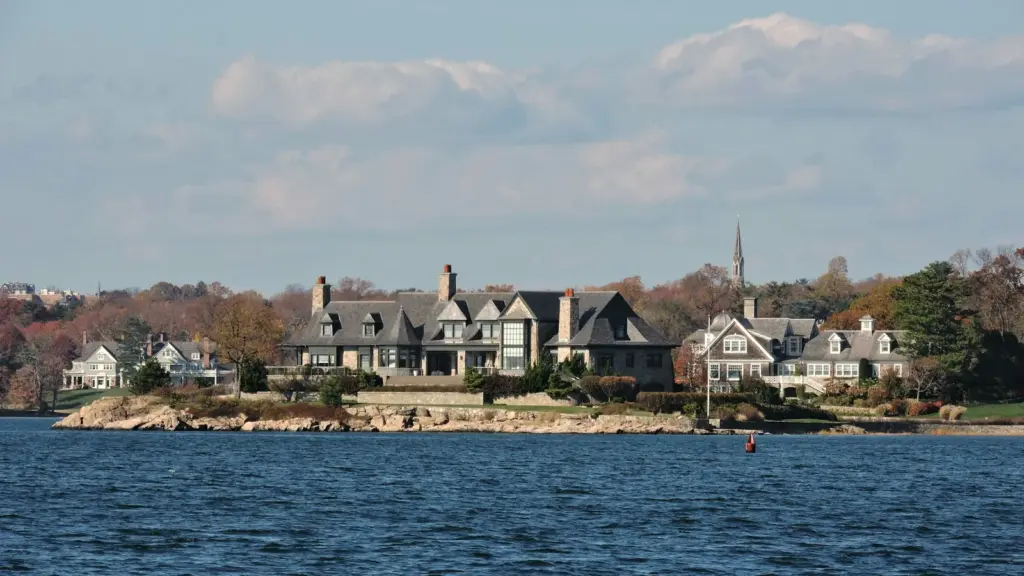
Most of our Connecticut work starts with the house. A colonial in Trumbull, a cape near the water in Milford, a newer build in Monroe and an estate in Greenwich each need a different mix of dwelling limit, water backup, liability and deductibles. As an independent agency we can shop the same home across several carriers and show you how the coverage compares, not just one company’s option.
- Rebuilding cost. We check that the dwelling limit reflects what it would cost to rebuild your home today, including older details and code upgrades.
- Water. We look at water backup and sump coverage, which matter for finished basements across the state.
- Wind and storms. We review the hurricane deductible on shoreline homes and explain when it applies (see below).
- Flood. Flood is a separate policy. We tell you whether your home is in a mapped flood zone and what your options are.
- Liability. We line up your home and auto liability with an umbrella policy when that makes sense.
For more detail, see our Connecticut homeowners insurance page. If you’re still deciding between companies, our guide to the best homeowners insurance in Connecticut explains how carriers differ.
Fairfield County
We have a Connecticut office, and we also serve Fairfield County homeowners by phone, email and online. Start with our Fairfield County, CT insurance hub, or go straight to homeowners insurance in Fairfield, CT, flood insurance in Fairfield, CT, condo insurance in Fairfield, CT or car insurance in Fairfield, CT.
How does Connecticut regulate hurricane deductibles?
Connecticut sets out by law when a hurricane deductible can replace a policy’s standard deductible. Under Conn. Gen. Stat. § 38a-316a, as of October 3, 2026, a hurricane deductible can apply only after the National Hurricane Center issues a hurricane warning for any part of the state, and only if the storm reaches sustained winds of 74 mph or more somewhere in Connecticut. The Connecticut Insurance Department (CID) also explains that a hurricane deductible is different from a windstorm or hail deductible, and that insurers cannot require a windstorm or hail deductible.
Under CID’s coastal underwriting guidelines, the largest hurricane deductible an insurer can use depends on how close the home is to the coast, with a higher cap within 2,600 feet of the shore and a lower cap farther inland. If your deductible is a percentage of the dwelling limit, the declarations page must show its dollar equivalent. On a shoreline home that dollar figure can be significant, so check it before storm season rather than after a storm.
- Find your declarations page and look for “hurricane deductible” and its dollar amount.
- Check whether you also have a separate windstorm or hail deductible.
- Ask whether storm shutters or impact-rated glass affect your options with your carrier.
- Confirm whether you have flood coverage, since surge damage is handled separately (see below).
Where in Connecticut do coverage needs change?
| Area | Example towns | What tends to drive coverage | Questions to raise |
|---|---|---|---|
| Gold Coast | Greenwich, Darien, New Canaan, Westport | Estate homes, custom millwork, art and wine collections, household staff | Guaranteed or extended replacement cost, valuables scheduling, umbrella limits, coverage for household employees |
| Central shoreline | Stratford, Milford, Fairfield, Norwalk, Stamford | Long Island Sound exposure, storm surge, older capes and colonials near the water | Hurricane deductible amount, NFIP versus private flood, elevation information |
| Western hills | Ridgefield, Wilton, Litchfield Hills second homes | Larger lots, private wells and septic systems, seasonal occupancy, heavy tree cover | Water backup, tree-fall terms, vacancy conditions for second homes |
| Hartford County | Avon and nearby towns | Larger suburban homes, finished lower levels | Water backup limits, extended replacement cost, home and auto under one carrier |
Metro-North commuters often keep extra cars at home or at the station. Each one is another reason to check that your auto liability limits line up with your umbrella policy.
What do high-value homes in Connecticut need that a standard policy may not provide?
High-value homeowners policies are generally designed around rebuilding to the original quality, with broader protection for contents and fewer sub-limits. When we review a higher-value Connecticut home, we focus on:
- Rebuilding cost. A current estimate that reflects custom materials, historic details and local building-code requirements.
- Valuables. Jewelry, fine art, wine and collections scheduled at agreed values instead of falling under category caps.
- Liability. An umbrella policy sized to your assets, coordinated with home, auto and any watercraft.
- Multiple properties. A primary home in Fairfield County plus a second home in the Litchfield Hills, on the Cape or out of state. We are licensed in 10 states.
Carriers we work with for high-value homes include Hanover, Openly, National General and Andover, plus Cincinnati and Chubb, which both write homes at any dwelling limit. Which carrier is appropriate depends on the property and its underwriting. For the statewide picture, see our guide to high-value home insurance in Connecticut. For local detail, see our high-value home insurance in Stratford page and our guide to luxury home insurance in Greenwich, Darien and Westport.
Insuring a home in Connecticut? Request a homeowners quote and coverage review: (603) 431-4020 or insure@portsmouthatlanticins.com.
Does homeowners insurance cover storm surge from Long Island Sound?
No. CID notes that flood damage isn’t covered under standard homeowners policies, and that storm surge is generally treated as flood. Flood coverage requires a separate policy, either through the National Flood Insurance Program or a private flood carrier. New NFIP policies are placed through Selective, and we compare private flood options from Flow Flood, Neptune Flood, Beyond Floods, The Flood Insurance Agency, CatCoverage and Aon Edge. A private policy can be useful when a home’s value is well above NFIP building limits.
To check a property’s flood zone, use FEMA’s Flood Map Service Center. For more on shoreline homes, read our coastal home and flood insurance in Connecticut guide and our Fairfield County flood insurance page.
What if an insurer won’t write my Connecticut home?
Because we work with many carriers, a decline from one company doesn’t end the search. If the regular market can’t place a property, Connecticut has the Connecticut FAIR Plan, a market of last resort. We can explain how it compares with what you have now before you decide.
How do you verify a Connecticut insurance agent’s license?
Connecticut producers are licensed through the Connecticut Insurance Department. You can check a license’s status and lines of authority through the NAIC State Based Systems lookup by choosing Connecticut. It’s also worth asking whether the agency is independent or captive, which carriers it uses for homes like yours, and who will handle a claim.
Why Connecticut homeowners work with Portsmouth Atlantic Insurance
- Independent and family-owned since 2005, comparing 40+ carriers.
- 1,000+ Google reviews and over 2,000 testimonials. Read them on our client feedback page.
- No-obligation quotes on every line of insurance.
- A clear four-step process, from the first conversation to onboarding and an annual review. See how we work.
- Licensed in 10 states, which helps families with homes in more than one state.
- We have a Connecticut office.
Connecticut towns we serve
We serve homeowners throughout Connecticut. Town pages, A to Z:
- Avon
- Bethany
- Bethel
- Branford
- Bridgeport
- Brookfield
- Danbury
- Darien
- East Haven
- Fairfield
- Farmington
- Glastonbury
- Goshen
- Greenwich
- Guilford
- Lyme
- Madison
- Milford
- Monroe
- New Canaan
- New Fairfield
- New Milford
- Newtown
- North Haven
- Norwalk
- Orange
- Ridgefield
- Roxbury and Bridgewater (high-value homes)
- Shelton
- Sherman
- Sherman (high-value homes)
- Simsbury
- Stamford
- Stratford
- Trumbull
- West Haven
- Weston
- Wilton
- Woodbridge (high-value homes)
See also our Fairfield County, CT insurance hub and Connecticut homeowners insurance page. Insuring a home in New Hampshire? See our New Hampshire insurance agency page.
More Connecticut coverage and guides
Connecticut coverage pages:
- Fairfield County, CT Home, Flood and Auto Insurance
- Hartford County, CT Home Insurance
- Litchfield Hills, CT High-Value Home Insurance
- Homeowners Insurance in Fairfield, CT
- Flood Insurance in Fairfield, CT
- Condo Insurance in Fairfield, CT
- Car Insurance in Fairfield, CT
- High-Value Home Insurance in Redding, Connecticut
- High-Value Home Insurance in Easton, Connecticut
- Greenwich and Westport CT Shoreline Flood Insurance
- Flood Insurance in Fairfield County, CT
- High-Value Home Insurance in Southport, Connecticut
- High-Value Home Insurance in Ridgefield, Connecticut
- High-Value Home Insurance in Wilton, Connecticut
- High-Value Home Insurance in Weston, Connecticut
- High-Value Home Insurance in New Canaan, Connecticut
- High-Value Home Insurance in Darien, Connecticut
- High-Value Home Insurance in Greenwich, Connecticut
- High-Value Home Insurance in Woodbridge, Connecticut
- High-Value Home Insurance in Roxbury and Bridgewater, Connecticut
- Connecticut Condo Association Insurance for Small, Self-Managed Associations
- Connecticut Apartment Building Insurance
- Car Insurance in Stratford, CT
- Homeowners Insurance Stratford CT
- Homeowners Insurance in Greenwich, CT
- Condo Insurance in Stratford, CT
- Flood Insurance in Stratford, CT
- Landlord Insurance in Stratford, CT
Connecticut guides and articles:
- Hurricane Deductibles in Connecticut
- Flood Insurance Deadline Dec. 11, 2026
- One Insurance Agent for Your New Hampshire and Connecticut Homes
- What Are Connecticut Car Insurance Requirements?
- Best Home and Auto Insurance Companies in Connecticut (2026 Guide)
- Does Home Insurance Cover Fire in Connecticut? What Homeowners Should Know
- Why Connecticut Homeowners Choose Portsmouth Atlantic
- Average Cost of Home Insurance in Stratford CT (2026 Guide)
- How Much Is Car Insurance in Connecticut? Factors That Influence Cost
- Luxury Home Insurance in Fairfield County, CT
- Coastal Home Insurance in Connecticut
- Mobile and Manufactured Home Insurance in Connecticut
- Protecting What Matters Most
- Protecting Connecticut Families
Frequently asked questions
Is Portsmouth Atlantic Insurance an independent agency in Connecticut?
Yes. Portsmouth Atlantic Insurance is an independent, family-owned insurance agency licensed in Connecticut. It was founded in 2005 by Jon Merwin. Because we are independent, we compare policies from 40+ carriers instead of selling one company’s policy.
Do you have a Connecticut office?
Yes. We have a Connecticut office, and Connecticut clients can also work with us by phone at (603) 431-4020, by email at insure@portsmouthatlanticins.com, or online. You do not need to visit an office to get a quote.
How many carriers does Portsmouth Atlantic Insurance work with?
We work with 40+ insurance carriers. In Connecticut that includes standard home and auto carriers, high-value home carriers such as Chubb, and flood options through the NFIP and private flood carriers.
Does requesting a quote from Portsmouth Atlantic Insurance obligate me to buy?
No. Requesting a quote doesn’t obligate you to buy anything, whether it’s for home, auto, flood, umbrella, condo, landlord or high-value home coverage.
What can I get a quote for in Connecticut?
We quote homeowners, auto, flood, umbrella, condo, landlord and high-value home insurance in Connecticut. Landlord policies for one- to four-unit Connecticut rentals are written with Vermont Mutual, Andover, Liberty Mutual, Hanover, Providence Mutual and Foremost. New NFIP flood policies are placed through Selective.
When does a hurricane deductible apply in Connecticut?
Under Connecticut law, a hurricane deductible can apply only after the National Hurricane Center issues a hurricane warning for any part of the state and the storm brings sustained winds of 74 mph or more somewhere in Connecticut. Your declarations page shows the deductible if your policy has one.
Sources
- Connecticut General Assembly, "Chapter 700 – Property and Casualty Insurance" (Sec. 38a-316a)
- Connecticut Insurance Department, "Homeowners Storm Claims"
- Connecticut Insurance Department, "Important Notice: Underwriting Coastal Homeowners' Insurance Policies"
- Connecticut Insurance Department, "Be Weather Ready – Hurricanes and Tropical Storms"
- Connecticut FAIR Plan, "Welcome to CT FAIR Plan"
- NAIC State Based Systems, "Lookup"
- FEMA, "FEMA Flood Map Service Center"
Ready to compare Connecticut home insurance? We can quote home, auto, flood, umbrella, condo, landlord and high-value coverage for you. Call (603) 431-4020 or email insure@portsmouthatlanticins.com.
40+ carriers · New Hampshire’s highest-rated agency on Google · 1,000+ Google reviews and over 2,000 testimonials. Request a quote. There’s no obligation to buy.

Jon Merwin, Founder and CEO
By Jon Merwin, Founder and CEO. Portsmouth Atlantic Insurance has been an independent agency since 2005. Meet our team.