CondoNH
Reviewed by Jon Merwin, Founder & CEO, Portsmouth Atlantic Insurance
Key takeaways
- New Hampshire law (RSA 356-B:43) requires condo associations to carry a master casualty policy at full replacement value and a master liability policy. Your own HO-6 policy covers what the master policy leaves out.
- Whether the master policy is bare walls or walls-in decides how much of your interior (kitchens, floors, built-ins) you need to insure yourself.
- Read the condo documents for who pays the master policy deductible. Loss assessment coverage on your HO-6 can help with your share.
- Higher-value units usually need more: scheduled jewelry and art, higher liability limits and a personal umbrella.
- Flood is excluded from both the master policy and a standard HO-6. Seacoast owners should check the FEMA flood map and price a separate flood policy.
Condo insurance in New Hampshire, also called an HO-6 policy, covers the parts of a condominium that the association’s master policy does not: your belongings, your personal liability, your living costs if you can’t stay in the unit after a covered loss, and, depending on the master policy, your interior walls, floors, cabinets and upgrades. Getting it right starts with one document, the association’s master policy, because your HO-6 is built to fill its gaps. For owners of higher-value units in Portsmouth, Rye, New Castle and the rest of the Seacoast, those gaps can be large.
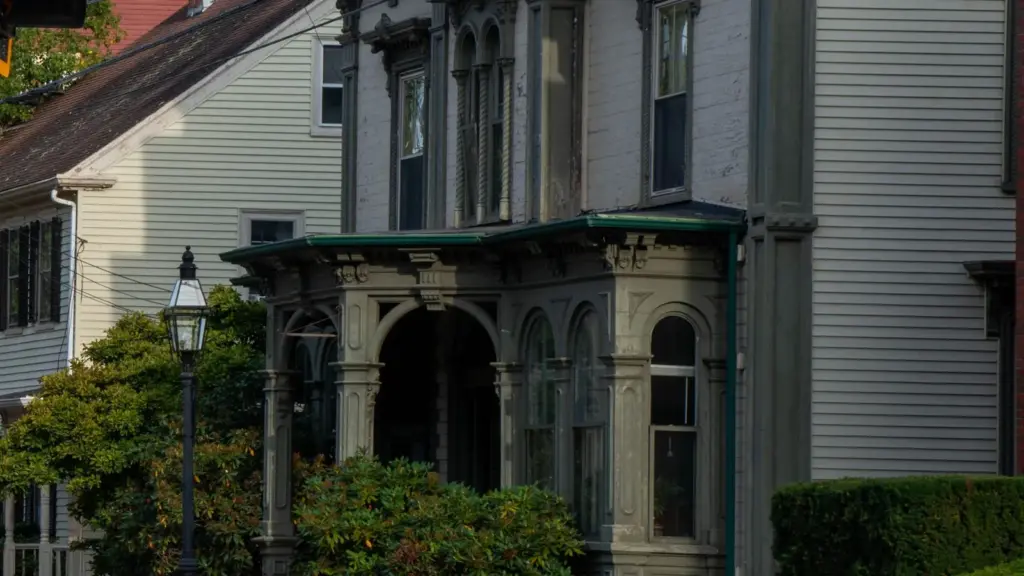
This guide is for New Hampshire condo owners. It covers how a master policy and an HO-6 fit together under state law, the walls-in versus bare-walls question, master policy deductibles, loss assessment, umbrella liability and flood coverage for coastal and riverfront buildings.
What does an HO-6 condo policy cover in New Hampshire?
An HO-6 policy is made of several coverage parts. The limits you need for each depend on your unit, what you own and how your association’s master policy is written.
| Coverage part | What it pays for | What to check |
|---|---|---|
| Dwelling (Coverage A) | Interior walls, floors, cabinets, fixtures and improvements you or a past owner added, to the extent the master policy does not cover them | Whether the master policy is bare walls or walls-in, and what your renovations would cost to rebuild at today’s prices |
| Personal property | Furniture, clothing, electronics and other belongings, inside the unit or in a storage unit | Replacement cost rather than actual cash value, and special limits on jewelry, silver, art and collections |
| Loss of use | Added living costs, such as a rental, if a covered loss makes the unit unlivable | Whether the limit would cover a long rebuild of a large building |
| Personal liability | Claims that you caused injury or property damage, including water that leaks from your unit into a neighbor’s | Whether the limit matches your assets, and whether an umbrella sits on top |
| Loss assessment | Your share of a special assessment the association charges owners after a covered loss to common areas, or the master policy deductible | Your bylaws, the master deductible and how the association divides costs |
| Medical payments | Small medical bills for guests hurt in your unit, regardless of fault | Usually a modest limit; liability handles larger claims |
Is your master policy bare walls or walls-in?
This is the most important question for a higher-value unit. The association’s condominium instruments (the declaration and bylaws) and the master policy itself define where the building coverage stops. Ask your property manager for the master policy declarations page and the insurance section of the bylaws, then compare them with the table below.
| Master policy type | What the association insures | What your HO-6 needs to cover |
|---|---|---|
| Bare walls | The structure and common areas, usually stopping at the unfinished interior surfaces of your walls, floors and ceilings | Drywall, flooring, cabinets, countertops, fixtures, built-ins and every upgrade. Dwelling coverage often has to be substantial. |
| Walls-in (single entity) | The structure plus the fixtures and finishes as originally built, often to the original builder’s standard | Improvements beyond the original standard, such as a remodeled kitchen, custom millwork or radiant heat, plus your belongings |
| All-in | The structure, original finishes and many improvements, as defined in the documents | Belongings, liability, loss of use and loss assessment, plus any improvements the documents exclude |
Downtown Portsmouth conversions, older buildings near the waterfront and small Seacoast associations often have documents written decades ago. If the wording is unclear, we read it with you before choosing a dwelling limit. If you own a two-unit condo, see our statewide guide to condex insurance in New Hampshire.
What does New Hampshire law require the association to insure?
Under RSA 356-B:43, the condominium instruments, including those for small condominiums, must require the unit owners’ association to obtain a master casualty policy for fire and extended coverage equal to the full replacement value of the structures, and a master liability policy in the amount the instruments specify. If an association does not carry the casualty policy for common areas, the statute says the unit owners share the replacement cost to repair them. The association must also give owners written notice when it obtains, changes or ends a policy.
The statute sets the minimum. It does not decide the deductible, the walls-in or bare-walls line, or how costs are divided among owners. Those come from your association’s documents.
Who pays the master policy deductible after a loss?
Master policy deductibles on larger buildings can be significant, and the bylaws may assign them to the association, to the owner of the unit where the damage started, or split them among owners. A burst pipe in an upper unit during a January cold snap, or ice damming after a nor’easter, can lead to a deductible charge to one owner. Ask the board or manager three questions: what the deductible is, whether it differs for wind or water losses, and who pays it under the bylaws.
How much loss assessment coverage do you need?
Loss assessment coverage pays your share when the association charges owners after a covered loss, for example when repairs exceed the master policy limit or the deductible is passed to owners. Many HO-6 policies include a low default limit. Owners of higher-value units in larger associations often raise it so it lines up with the master deductible and the association’s rules. Some policies limit what they pay toward a deductible assessment, so ask how your carrier handles it.
Want a second look at your master policy?
Send us the declarations page and bylaws. Our Portsmouth team will check your dwelling, loss assessment and liability limits. Call (603) 431-4020.
What should owners of higher-value condos add?
A waterfront unit in Portsmouth or a beach condo in Rye or Hampton often holds more than a standard HO-6 is designed for. When we review a higher-value unit, we look at these areas:
- Valuables. Standard policies cap theft coverage for jewelry, watches, silver and collections. Scheduling items at an agreed value removes that cap and can broaden what is covered.
- Improvements. A renovated kitchen or custom millwork in a bare-walls building can push the dwelling limit well above the standard default.
- Water backup. Backup of sewers and drains is often excluded or sublimited unless you add it.
- Second homes and rentals. If the unit sits empty in winter or is rented short-term, tell your agent. Vacancy and rental terms can change what the policy covers.
- Liability. A higher liability limit on the HO-6, coordinated with your auto policy, so an umbrella can sit on top.
Do condo owners need an umbrella policy?
An umbrella policy pays liability claims above the limits on your home and auto policies. Condo owners with significant savings, investments or a second property often add one, because a serious injury claim or a water leak that damages several units can exceed an HO-6 liability limit. The umbrella requires certain underlying limits, so we set the HO-6 and auto liability limits at the same time. Read more on our umbrella insurance page.
Do Seacoast condo owners need flood insurance?
Flood is excluded from master policies and standard HO-6 policies. For buildings near the harbor, the Piscataqua, the marshes or Hampton and Rye beaches, a separate flood policy is worth pricing. Check the building on FEMA’s Flood Map Service Center first.
- The association can insure the building under the National Flood Insurance Program (NFIP). FEMA’s coverage summary for condominium buildings notes that unit owners may want their own contents policies for personal property.
- An individual NFIP policy for a condo owner can include contents coverage up to $100,000 and building coverage up to $250,000, according to FloodSmart.gov.
- NFIP policies usually take effect 30 days after purchase, with some exceptions such as a policy bought when you take out a mortgage.
- Personal property kept in basements is generally not covered by NFIP policies, so a storage cage in the garage level may need a different plan.
- As of October 3, 2026, the NFIP is authorized through December 11, 2026. Check FEMA’s reauthorization page for the current status.
For more on coastal flood risk, see our Seacoast NH flood insurance page.
Which carriers write condo insurance through Portsmouth Atlantic?
We compare 30+ carriers for New Hampshire condo owners. For higher-value units, the carriers we work with include Chubb, Cincinnati, Hanover, National General and Andover. Which one fits depends on the building, the master policy, the value of your improvements and belongings, and how you use the unit.
 Expert tip from Jon Merwin, Founder & CEO, Portsmouth Atlantic Insurance
“Inflation over the past few years has pushed replacement costs up, and that includes rebuilding the inside of a condo. The goal posts have shifted, and we’re seeing much higher walls-in coverage than we did in the past. Insurance companies are adjusting too, expanding their underwriting appetite to handle higher-value units.”
— Jon Merwin, Founder & CEO, Portsmouth Atlantic Insurance
Before your HO-6 renews: a checklist
- Get the master policy declarations page and the insurance section of the bylaws.
- Confirm whether the master policy is bare walls, walls-in or all-in.
- Write down the master deductible and who pays it.
- Price your interior and improvements at today’s rebuild cost.
- List jewelry, art and collections that need scheduling.
- Match liability limits on your condo and auto policies to your umbrella.
- Check the FEMA flood map and decide on flood coverage.
Portsmouth Atlantic Insurance is an independent agency serving the whole state. Learn more about our New Hampshire insurance agency.
Frequently asked questions
Is condo insurance required in New Hampshire?
State law requires the association to carry a master policy, but it does not require individual owners to buy an HO-6. Your mortgage lender or your association’s bylaws may require one, and without it your belongings, liability and interior finishes may be unprotected.
How does a condo master policy work with an HO-6 in New Hampshire?
The association’s master policy insures the building and common areas, and New Hampshire law (RSA 356-B:43) requires the association to carry one. Your HO-6 picks up where the master policy stops: your belongings, your personal liability, living costs if you have to move out after a covered loss, and whatever part of the unit’s interior the condominium documents make your responsibility. We read the two side by side so you can see where one ends and the other begins.
What is the difference between bare walls and walls-in coverage?
A bare walls master policy generally stops at the unfinished structure, so your HO-6 covers drywall, flooring, cabinets and fixtures. A walls-in policy also covers the original finishes, so your HO-6 mainly needs to cover upgrades and belongings. Your condominium documents define the line.
How much dwelling coverage do I need for my condo?
It depends on where the master policy stops. In a bare-walls building, your HO-6 dwelling limit has to cover the drywall, flooring, cabinets, fixtures and every upgrade inside the unit. In a walls-in building, it mainly needs to cover improvements and betterments beyond the original builder’s standard, such as a remodeled kitchen or new flooring. Either way, price the interior at today’s rebuild cost, not what the work cost years ago.
Who pays the master policy deductible in a New Hampshire condo?
It depends on the declaration and bylaws. They can assign the deductible to the association, to the owner of the unit where the damage began, or split it among owners. Loss assessment coverage on your HO-6 can help pay your share, up to its limit.
What does loss assessment coverage pay for?
Loss assessment coverage pays your share when the association charges owners for a covered loss, such as damage to a shared roof or hallway that goes beyond the master policy limit, or a master deductible passed on to owners. Many HO-6 policies start with a low limit. If your association has a large master deductible, ask about raising it, and check whether your carrier limits what it pays toward a deductible assessment.
Does an HO-6 policy cover flood damage?
No. Standard HO-6 and master policies exclude flood. Condo owners can buy flood coverage through the National Flood Insurance Program or a private flood carrier, and the association can insure the building separately. We place NFIP flood policies through Selective, a write-your-own carrier, and also compare private flood options.
Should I add an umbrella policy if I own a condo?
If your savings, investments or other property are worth more than your liability limits, an umbrella is worth considering. It pays covered liability claims above your condo and auto limits, such as a serious injury or a leak that damages several units.
Sources
- New Hampshire General Court, "Section 356-B:43 Insurance"
- New Hampshire Insurance Department, "Homeowners and Renters Insurance"
- FloodSmart.gov (NFIP), "Buy a Flood Insurance Policy"
- FEMA, "NFIP Summary of Coverage: Residential Condominium Buildings"
- FEMA, "Congressional Reauthorization for the National Flood Insurance Program"
- FEMA, "FEMA Flood Map Service Center"
- NAIC, "Homeowners Insurance" consumer guide
Check your New Hampshire condo coverage
Talk to our Portsmouth team: (603) 431-4020. We will compare your HO-6, umbrella and flood options side by side.
Jon Merwin, Founder & CEO · Portsmouth, NH
Reviewed by Jon Merwin, Founder & CEO. Meet our team.
Portsmouth Atlantic Insurance has been an independent agency since 2005 and is the most-reviewed independent insurance agency in New Hampshire, with 1,000+ Google reviews across our two offices.
Related guides
- Condex Insurance in New Hampshire: Master Policy, HO-6, and Coverage Gaps
- Condo Insurance vs Homeowners Insurance
- What Is an HOA Insurance Policy?
Next step: see how we work across the state on our New Hampshire insurance agency page.