
High-value · ME
Reviewed by Jon Merwin, licensed insurance agent
Published: November 11, 2026 · Updated: November 11, 2026
- Insurers judge a Maine home by what it would cost to rebuild, not what it would sell for. The Maine Bureau of Insurance says so directly.
- Custom construction, hard-to-reach sites, distance from fire service and wind exposure are what usually push a house toward high-value underwriting.
- “Replacement cost” isn’t one thing. Extended replacement, ordinance or law coverage and how belongings are valued all vary by policy.
- Flood is never part of a homeowners policy, and coastal homes may carry a separate windstorm deductible.
- A high-value carrier fits when the rebuild figure, the finishes or the belongings outgrow what a standard policy handles well.
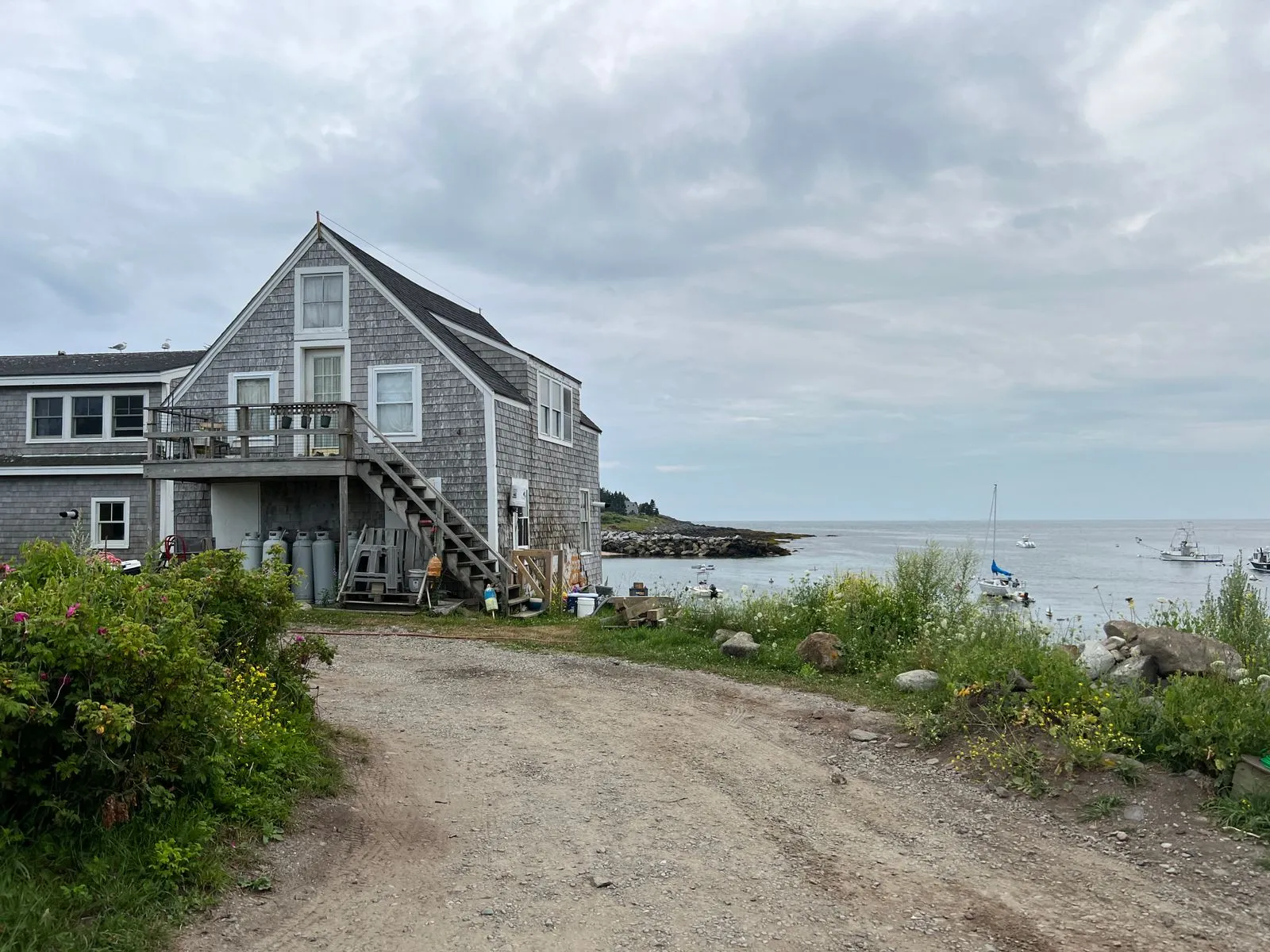
Here’s a myth we hear every summer: “My house is worth a fortune, so I need a high-value policy.” Maybe. But insurers don’t care much about the Zillow number. On the Maine coast, they care about what it would cost to rebuild the house you actually have, on the site where it sits, and how exposed that site is to wind, water and fire. A modest cottage on a Kennebunkport lot that sells for a lot can be a standard risk. A custom shingle-style home on a Mount Desert ledge, an hour from a lumberyard, often isn’t.

Why doesn’t market value decide whether a home is high-value?
As of November 11, 2026, the Maine Bureau of Insurance puts it plainly on its consumer pages: insurance is based on the estimated cost to rebuild the home, not the market value, purchase price or tax-assessed value. Most insurers estimate that rebuild figure with software that uses regional building costs plus the size and features of your home.
The NAIC adds the piece people forget. Market value includes the land. On the Maine coast, the land is often most of the price. Take the waterfront lot away and what’s left is a construction project, and that project is what your dwelling limit has to cover.
What pushes a Maine coastal home into high-value underwriting?
No single dollar line flips a house to high-value, and each carrier draws its own. The same traits keep coming up:
Custom construction and finishes
Wide-plank floors, custom millwork, slate or copper roofing, stone chimneys, a restored 1890s cottage with details nobody makes anymore. Software built for average homes can miss this, so a carrier that writes larger homes will usually want a closer look.
Ledge, islands and hard-to-reach sites
A lot of the best Maine shorefront sits on ledge. Rebuilding there can mean more site work, and on islands or long private roads every load of material has to get there somehow. Those costs land in the rebuild figure even though nobody sees them in a listing photo.
Distance from fire service and water
The Maine Bureau of Insurance lists distance to the fire department as a factor every insurer uses: the farther away, the longer it takes firefighters to start, and the more severe a loss can get. Its homeowners guide adds distance to a water source and the quality of local fire protection. Picture a house at the end of a Camden-area peninsula road, or on an island with ferry-only access, and you can see why underwriters ask.
Wind exposure on the open coast
Homes closer to the coast face more windstorm exposure, which the Bureau says may mean a higher cost, a higher windstorm deductible, or both. A house on the open ocean at Cape Elizabeth sits very differently from one tucked up a tidal river. Our Maine high-value home insurance page explains how Maine’s hurricane deductible trigger works.
How do standard and high-value homeowners policies compare?
Policies differ by carrier and by form, so treat this as a guide to the questions to ask, not a promise of what any one policy includes.
| Feature | Typical standard homeowners policy | Typical high-value homeowners policy |
|---|---|---|
| Rebuild basis for the house | Replacement cost up to the dwelling limit, sometimes with an extended replacement option | Replacement cost, often with extended or full rebuild options and closer valuation of custom features |
| How the dwelling limit is set | Software estimate from size and basic features | Software plus a more detailed review, sometimes an on-site appraisal |
| Belongings | Personal property often set as a percentage of the dwelling limit; contents may be on actual cash value unless upgraded | Contents commonly on replacement cost, with higher built-in limits for some categories |
| Jewelry, art, wine and collections | Low sub-limits unless scheduled on an endorsement | Scheduling built around collections, often with agreed values |
| If you choose not to rebuild | Settlement terms vary; often limited | Some policies offer a cash settlement option, terms vary |
| Building code upgrades after a loss | Ordinance or law coverage may be limited or an add-on | Often higher ordinance or law limits |
| Flood | Not covered; separate policy | Not covered; separate policy |
Why does “replacement cost” wording vary so much?
Two policies can both say “replacement cost” and still pay very differently after a big loss. A few things to look for, all drawn from the Maine Bureau of Insurance’s homeowners guide:
- Insurance-to-value rules. The guide notes that many insurers require you to insure the home for at least 80% of its replacement cost, and some require 100%. Fall short and a penalty can apply to partial losses, not just total ones.
- Extended replacement cost. Where it’s available, the guide says it generally pays up to 25% over your policy limit if rebuilding costs more than expected. Some high-value policies go further with extended or full rebuild options, and wording varies.
- Ordinance or law. This pays the extra cost to rebuild to codes that didn’t exist when the house was built. On an older coastal cottage, that can matter a lot.
- Belongings. Most policies cover contents on an actual cash value basis unless you add replacement cost, according to the guide. The NAIC explains that actual cash value subtracts depreciation for age and wear.
Send us your declarations page and we’ll walk through the rebuild figure, deductibles and endorsements with you. Talk to our Portsmouth team: (603) 431-4020.
When does a high-value carrier make sense?
Usually when the rebuild figure is well above what most houses nearby would need, the house has custom or historic features, your valuables outgrow standard sub-limits, or the site raises wind, access or fire-service questions.
For larger Maine homes we compare carriers such as Chubb, Cincinnati, Openly, National General, Hanover, Andover and Vermont Mutual, all subject to underwriting. Seasonal use matters too. The Bureau’s guide notes that a new policy on a seasonal home has a longer window during which the insurer can cancel for any reason (120 days, versus 90 for a primary home). If the house sits empty in winter, our Maine second home insurance guide covers what carriers ask.
Some southern Maine towns get their own attention. If you own near Dock Square or along Ocean Avenue, see our Kennebunk and Kennebunkport homeowners insurance page.
What should you gather before a Maine high-value quote?
- Your current declarations page, so we can see the dwelling limit, deductibles and endorsements.
- Year built, square footage and construction: framing, siding, roof type and roof age.
- Custom features: millwork, stone, slate or copper, restored historic details, and any recent renovation.
- Site and access: ledge, island or ferry access, length of the private drive, and the nearest fire station and hydrant or water source.
- Heating and safety systems: heat source, wood stoves, alarms, low-temperature or water-leak sensors, generator.
- How the house is used: year-round, seasonal or rented, and how many months it sits empty.
- Valuables: appraisals for jewelry, art, wine or collections you want scheduled.
Based on the Maine Bureau of Insurance homeowners guide and factors page, checked November 11, 2026.
Frequently asked questions
Is a Maine home “high-value” because of what it would sell for?
Not by itself. The Maine Bureau of Insurance says homeowners coverage is based on the estimated cost to rebuild the home, not its market value, purchase price or tax-assessed value. A small cottage on a pricey lot may need a standard policy, while a custom house on a less famous road may need a high-value carrier.
What’s the difference between replacement cost and actual cash value?
Replacement cost pays to repair or rebuild with materials of like kind and quality. Actual cash value subtracts depreciation for age and wear, so it often won’t pay enough to fully repair or replace what was damaged. For a custom coastal home, ask your agent exactly which basis applies to the house and to your belongings.
Does living close to the ocean change my Maine home insurance?
Often, yes. The Maine Bureau of Insurance notes that homes closer to the coast face more windstorm exposure, which can mean a higher cost, a higher windstorm deductible, or both. Flood is a separate policy and isn’t part of a homeowners policy.
Which carriers do you compare for Maine high-value homes?
Depending on the house, we look at carriers such as Chubb, Cincinnati, Openly, National General, Hanover, Andover and Vermont Mutual. Every placement is subject to the carrier’s underwriting, and the right fit depends on the home, its location and how it’s used.
Sources
- Maine Bureau of Insurance, “Factors Affecting Your Premium”
- Maine Bureau of Insurance, “A Consumer’s Guide to Homeowners Insurance” (PDF, updated September 28, 2021)
- National Association of Insurance Commissioners, “What’s the Difference Between Actual Cash Value Coverage and Replacement Cost Coverage?”
Portsmouth Atlantic Insurance has 1,000+ Google reviews and over 2,000 testimonials. We’re licensed in Maine, compare options from 40+ carriers, and we don’t charge additional fees. Talk to our Portsmouth team: (603) 431-4020 or email insure@portsmouthatlanticins.com.

Reviewed by Jon Merwin, licensed insurance agent.
Family-owned and open since 2005, Portsmouth Atlantic Insurance is licensed in 10 states, including Maine.
Related guides: Replacement Cost for Older Colonials · The Annual High-Value Home Insurance Review Checklist · How We Compare High-Value Home Carriers
Next step: see our Maine high-value home insurance page.