
High-value · Home · CT
Reviewed by Jon Merwin, Founder and CEO, Licensed Insurance Advisor
Published: [SET AT PUBLISH] · Updated: November 4, 2026
- Your dwelling limit should match what it costs to rebuild the house, not its market value or what you paid.
- Plaster walls, custom millwork, slate roofs and old-growth framing can make an older colonial costly to rebuild to the same standard.
- A rebuild in Connecticut has to meet the State Building Code in effect when the permit is filed, which can add costs the original house never had.
- Extended or guaranteed replacement cost and ordinance or law coverage are the pieces that close the gap. Check your limits for each.
Picture a center-hall colonial in Westport with original plaster walls, a hand-turned stair rail, and a dwelling limit set the year the owners bought it. Would that limit actually rebuild the house today? Often nobody knows. Here’s the short answer, as of November 4, 2026: your dwelling limit should reflect the cost to rebuild the home with materials of similar kind and quality, and on older Fairfield County colonials that number can be very different from the market value or the purchase price. A total loss is a bad time to find out they’ve drifted apart.
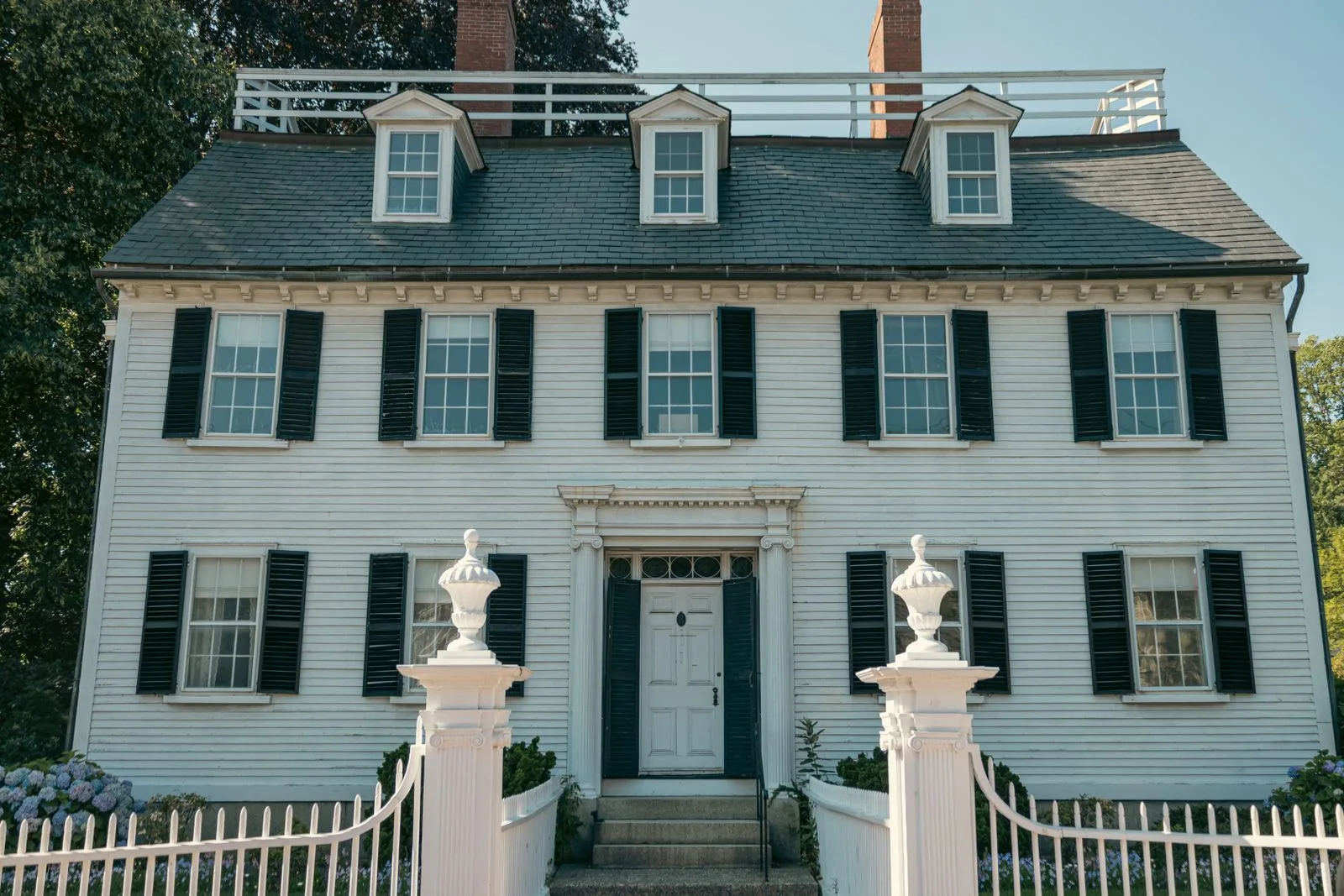
Isn’t my dwelling limit just what the house is worth?
No, and this is the mix-up we see most. Three different numbers get blended together:
| What it measures | Why it matters on an older colonial | |
|---|---|---|
| Market value | What a buyer would pay for the house and the land, in today’s market | Land can be a large share of the price in towns like Darien or New Canaan, and land doesn’t burn down. |
| Replacement cost | What it takes to rebuild or repair with materials of similar kind and quality, without a deduction for depreciation (NAIC) | This is the number your dwelling limit should track. |
| Actual cash value | Replacement cost minus depreciation (NAIC) | On an old house, depreciation can take a large bite out of a claim. |
The NAIC also notes that it’s important to insure your home for at least 80 percent of its replacement value. Many policies tie full replacement cost settlement to a threshold like that, so an outdated limit can hurt a partial claim too.
Why do older colonials cost so much to rebuild?
Building a new colonial-style house and rebuilding your colonial with the same kind and quality of materials are different jobs. A few things drive the cost up:
- Plaster and lath. Matching original three-coat plaster takes skilled trades that are in short supply. Drywall is cheaper, but it isn’t like kind and quality.
- Custom millwork. Raised-panel doors, crown and dentil molding, built-ins, mantels and turned stair parts often have to be milled to match.
- Slate, wood shingle or standing-seam roofs. These cost more to replace than standard asphalt shingles.
- Additions over the years. A kitchen expansion, a finished third floor or a new primary suite added value that the original limit may never have picked up.
For partial losses, the Connecticut Insurance Department says insurers must repair the damaged portion to a reasonably uniform appearance with adjacent items, using like kind and quality materials. On old clapboard or slate, that can mean a bigger repair than the damaged section alone.
What goes into a rebuild estimate
| Part of the estimate | What’s included | Why it can run high on an older home |
|---|---|---|
| Foundation and site work | Excavation, footings, foundation walls, grading | Fieldstone or rubble foundations, ledge, tight lots and old stone walls |
| Framing and structure | Framing, sheathing, roof structure | Matching ceiling heights, timber framing and original proportions |
| Exterior | Roofing, siding, windows, doors, trim | Slate or cedar roofs, true divided-lite windows, wood clapboard |
| Interior finishes and millwork | Plaster or walls, floors, moldings, built-ins, stairs | Plaster work, custom-milled trim, wide-plank floors, fireplaces |
| Systems | Heating, plumbing, electrical, insulation | Older homes often need full new systems that meet current code |
| Code upgrades | Work required by today’s building code | Egress, smoke and CO alarms, energy rules, structural requirements |
| Debris removal | Demolition and hauling away damaged material | Removing a whole older house can be a large job on its own |
| Permits and fees | Permits, architect and engineer plans | Original plans rarely exist and may need to be redrawn |

“With older Fairfield County colonials, rebuilding plaster walls, custom trim and older framing to today’s code usually costs more than people expect. Review your dwelling limit against a real rebuild estimate, not the purchase price or market value.”
Does Connecticut building code change what a rebuild costs?
It can. When a house is rebuilt after a fire or major storm, the new work generally has to meet the building code in effect when the permit is applied for. As of November 4, 2026, the Connecticut Department of Administrative Services lists the 2022 Connecticut State Building Code, effective October 1, 2022 and based on the 2021 International Codes, as the code in effect. A 2026 update based on the 2024 International Codes was expected to take effect July 1, 2026, but DAS says it is still awaiting approval from the General Assembly’s Legislative Regulation Review Committee, so the date has been delayed.
A house built long before modern codes may need structural, electrical and energy upgrades during a rebuild. Your policy pays for those extra costs only up to its ordinance or law limit, and on many standard policies that limit is modest.
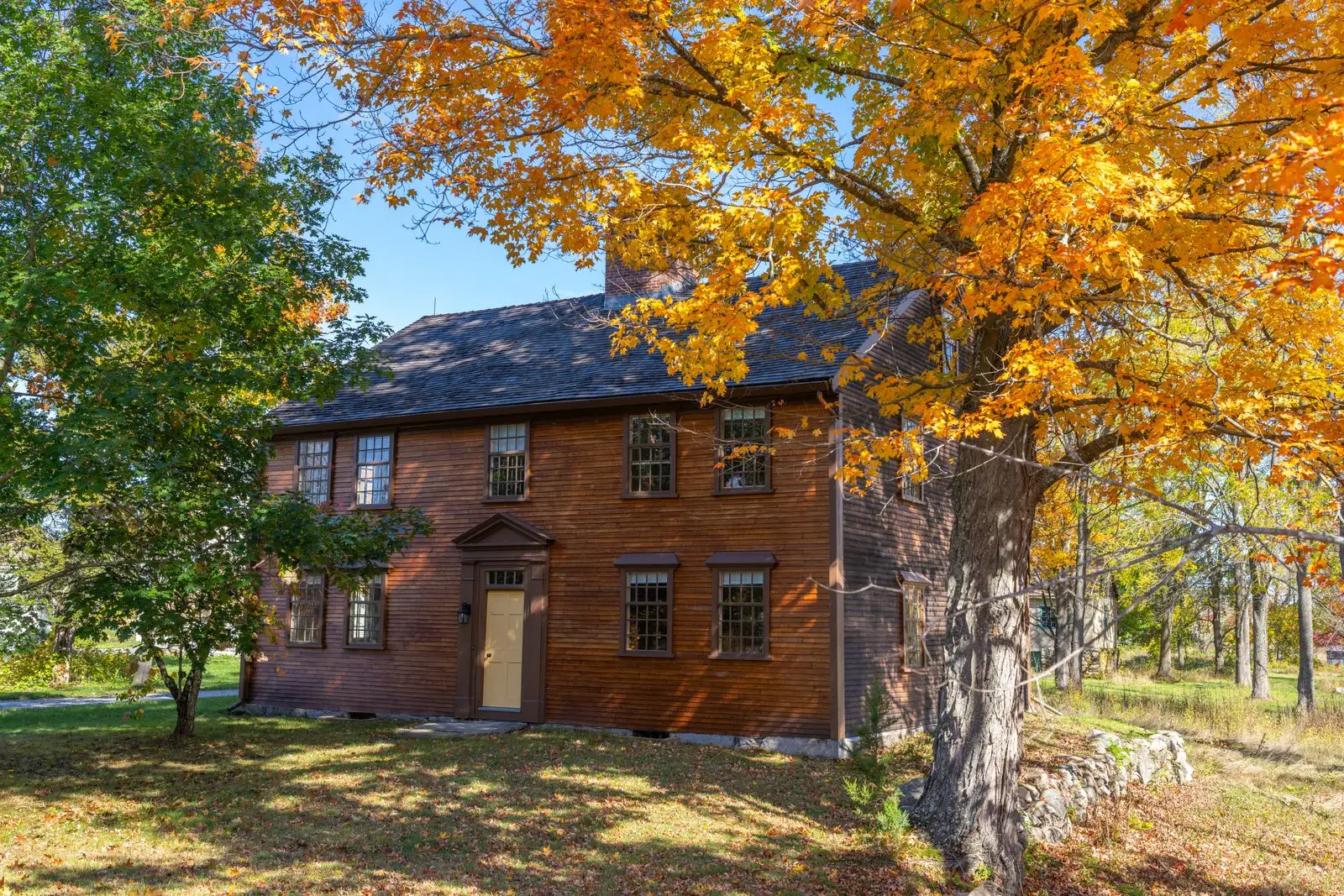
We’ll walk through your replacement cost, ordinance or law and extended replacement coverage with you. Call our Connecticut office in Fairfield at (203) 859-6858 or see our Connecticut high-value home coverage.
Which coverages close the gap?
Extended replacement cost
This adds a cushion above your dwelling limit if rebuilding costs more than expected,. The size of the cushion and the conditions vary by carrier.
Guaranteed replacement cost
The NAIC says most companies offer guaranteed replacement cost coverage for an additional premium. It can pay to rebuild even if the cost goes past your limit, usually as long as you keep the insured value current and report major renovations.
Ordinance or law (building code upgrade) coverage
This pays the extra cost of meeting current codes when you rebuild or repair after a covered loss after a covered loss, sometimes including tearing down undamaged sections that code won’t let you keep. Ask whether a higher limit is available.
High-value home carriers tend to be built for this kind of house. Through our 40+ carriers, we can look at options like Chubb, Cincinnati, Openly and Andover Companies for Fairfield County homes. Our Connecticut high-value home insurance page explains how we compare them, and our Cincinnati Insurance review goes deeper on one option. If your house sits in a designated historic district, our guide to historic home insurance covers the extra rules that come with that.
What should I ask at a reappraisal?
- Pull your declarations page. The CT Insurance Department recommends reviewing it periodically. Note your dwelling limit, settlement type and deductibles.
- Ask how the limit was set and when it was last updated. A purchase price or tax assessment is not a rebuild estimate.
- List renovations and additions, from a new kitchen to a finished attic or new roof.
- Photograph hard-to-replace details like moldings, mantels, stairs and plaster ceilings.
- Ask about an on-site replacement cost inspection. Many high-value carriers will send someone out.
- Confirm replacement cost, not actual cash value, on the dwelling.
- Ask about extended or guaranteed replacement cost and what conditions apply.
- Check your ordinance or law limit and whether it can be raised.
- Review other structures: a detached barn, carriage house or stone walls may need their own limits.
What if my insurer and I disagree on a claim estimate?
It happens, especially when matching old materials is tricky. The Connecticut Insurance Department explains that an insurer’s estimate is a reference point, not the final payout, and that most policies have an appraisal clause either side can invoke when you agree on the damage but not the cost to fix it. It only settles the amount of loss, not coverage disputes.
Frequently asked questions
Is my dwelling limit the same as my home’s market value?
No. Market value is what a buyer would pay for the house and the land under it. Your dwelling limit should reflect what it would cost to rebuild the house itself with materials of similar kind and quality. On an older Fairfield County colonial, those two numbers can be far apart in either direction.
What’s the difference between replacement cost and actual cash value?
The NAIC explains that replacement cost is what it takes to rebuild or repair with materials of similar kind and quality, without deducting for depreciation. Actual cash value is the repair or replacement cost after depreciation. On an older home, that deduction can be large.
Does homeowners insurance pay to bring an older house up to current building code?
Only to the extent your policy includes ordinance or law coverage, and many policies cap it. In Connecticut, rebuilding work is permitted under the State Building Code in effect when the permit is applied for, so a rebuilt older home may need upgrades the original never had.
What is extended or guaranteed replacement cost?
Extended replacement cost adds a cushion above your dwelling limit if rebuilding costs more than expected. Guaranteed replacement cost can pay to rebuild even past the limit, usually with conditions like keeping the insured value current.
How often should I have my home’s replacement cost reviewed?
The NAIC suggests checking your coverage with your agent at least once a year, and sooner after an addition, a renovation or other work that adds value.
Sources
- Connecticut Insurance Department, “Homeowner’s and Renter’s Insurance”
- Connecticut Department of Administrative Services, “Building and Fire Code Adoption Process”
- Connecticut Department of Administrative Services, “History of the Connecticut State Building Code”
- National Association of Insurance Commissioners, “Homeowners Insurance”
We compare high-value home policies from 40+ carriers and don’t charge any agency or broker fees on personal lines. Call our Connecticut office in Fairfield at (203) 859-6858 or email insure@portsmouthatlanticins.com.
Reviewed by Jon Merwin, Founder and CEO, Licensed Insurance Advisor.
Portsmouth Atlantic Insurance has 1,000+ Google reviews and over 2,000 testimonials.
Related guides: Historic Home Insurance · Cincinnati Insurance Review (2026): High-Value Homes · Greenwich CT High-Value Home Insurance
Next step: see our Connecticut high-value home insurance options.