
By Jon Merwin, Founder and CEO, Licensed Insurance Advisor
Short answer: An HO-3 is the standard homeowners policy for a house you own and live in. It insures the whole building. An HO-6 is a condo unit-owner policy. It insures the parts of your unit the association’s master policy doesn’t, plus your belongings and liability. Which one you need depends on what you own under your condo documents.
Portsmouth Atlantic Insurance is a family-owned independent agency that compares 40+ carriers. We insure houses, condos and condo associations across New England, so we read master policies and HO-6 policies side by side every week.
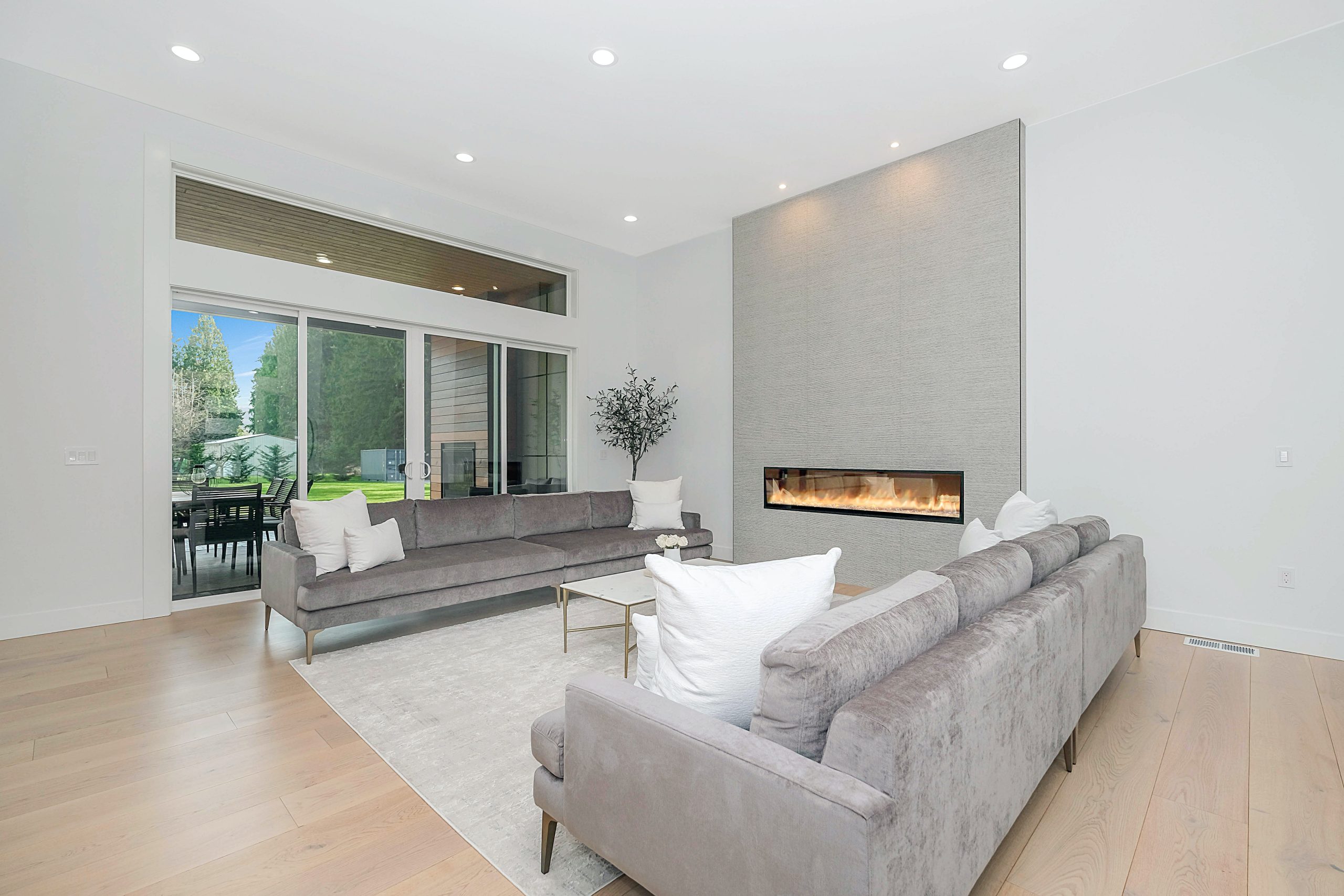
HO-3 vs. HO-6 at a glance
| HO-3 (homeowners) | HO-6 (condo unit owner) | |
|---|---|---|
| Who it’s for | Owner-occupants of a single-family house (and some owner-occupied two-family homes) | Owners of a condo unit in an association |
| The building | The whole house: roof, walls, foundation, attached garage | Only what the master policy and condo documents leave to you: often interior walls, floors, cabinets, fixtures and upgrades |
| Other structures | Detached garage, shed, fences | Usually the association’s responsibility |
| Your belongings | Included | Included |
| Loss of use | Included: extra living costs while your home is repaired | Included: extra living costs while your unit is repaired |
| Personal liability | Included | Included |
| Loss assessment | Usually a small limit; rarely the main concern | A key coverage: pays your share of a covered association assessment |
| How perils work (standard forms) | Dwelling on an open-perils basis; belongings on named perils | Unit coverage on named perils; many carriers offer an upgrade to open perils |
| What sets the limit | The cost to rebuild the house | The master policy type, the condo documents and your improvements |
| Flood | Not covered | Not covered |
Policy forms vary by carrier and state. The table describes the standard forms; your declarations page and endorsements decide what you actually have.
The master policy decides your HO-6
Every condo association carries a master policy. In New Hampshire, RSA 356-B:43 requires the condominium instruments, including those for small condominiums, to have the association carry a master casualty policy at full replacement value of the structures and a master liability policy. The declaration and bylaws then decide how much of each unit the master policy covers:
Bare walls
The master policy covers the structure, but not what’s inside the unit’s walls. Your HO-6 has to cover drywall, flooring, cabinets, fixtures and every upgrade. This is where owners are most often underinsured.
Single entity or all-in
The master policy covers the original fixtures and finishes, and sometimes improvements too. Your HO-6 can carry a smaller dwelling limit, but you still need coverage for belongings, liability, loss of use, upgrades the master policy excludes and your share of the master deductible if the bylaws assign it to you.
Other New England states have their own condominium laws, and the documents still control the split. See our guides for Massachusetts, Connecticut and Maine associations, and the New Hampshire condo insurance guide.
New England situations that blur the line
- Two-unit condexes. Common in older Seacoast and North Shore neighborhoods. Some have no master policy, so each owner insures their half of the building. See our condex guides for New Hampshire, Massachusetts and Maine.
- Converted historic buildings. Old mills, schoolhouses and Victorians turned into condos often have custom finishes that cost more to replace. A bare-walls master policy makes your HO-6 limit matter even more.
- Seasonal condos. A beach or ski condo you don’t live in full-time may need a seasonal or secondary-home rating, and some carriers ask about rental use.
- Condos you rent out. If tenants live in your unit, tell us. A unit-owner policy written for a rental is different from one written for an owner-occupant.
Carriers we compare for condos
For condo unit owners, carriers we work with include Andover Companies (NH, MA, CT and ME), Safety Insurance (MA, NH and ME), Plymouth Rock (NH, MA, CT and NY) and Vermont Mutual. Which ones fit depends on the building, the master policy and each carrier’s underwriting. For the association itself, see small condo association insurance.
State guides: Massachusetts, Maine and Rhode Island condo (HO-6) insurance.
What to send us for a condo quote
- The unit address and the association’s name
- The master policy certificate or summary, including the master deductible
- The section of the declaration or bylaws that covers insurance
- A list of upgrades: kitchen, baths, flooring, built-ins
- Whether you live there full-time, seasonally or rent it out
Back to all comparisons: Compare insurance options. Related: condo insurance in Portsmouth, NH, Connecticut condo insurance and homeowners insurance.
Frequently asked questions
If my condo association has a master policy, do I still need an HO-6?
In most cases, yes. The master policy covers the building and common areas the condo documents assign to the association. It doesn’t cover your furniture and belongings, your personal liability, your living costs if you can’t stay in the unit, or (on a bare-walls master policy) your floors, cabinets and fixtures. Many mortgage lenders also require an HO-6.
How much dwelling coverage should my HO-6 have?
Start with the master policy and the condo declaration. If the master policy is bare walls, your HO-6 dwelling limit has to cover everything inside the unit’s walls that you’d have to rebuild, including upgrades you or past owners added. If it’s all-in or single entity, you may need less, but still enough for improvements and the master deductible if the bylaws make you pay it. We’ll read both documents with you.
What is loss assessment coverage, and why does it matter for condos?
If the association has a loss bigger than its insurance pays, or a large master policy deductible, it can assess each owner a share. Loss assessment coverage on an HO-6 can pay your share of a covered assessment, up to the limit you choose. Read more in our loss assessment guide.
I own a townhouse in a condo association. Is that an HO-3 or an HO-6?
It depends on what you own under the condo documents, not on what the building looks like. Some townhouse associations insure the whole structure on a master policy, so owners buy HO-6 policies. In others, owners are responsible for their own building, and a homeowners-style policy may fit. Two-unit condexes are a common example where each owner may have to insure their half. Send us the declaration and we’ll confirm.
Does either policy cover flood?
No. Neither an HO-3 nor an HO-6 covers flood from storm surge, rising water or overland flooding. Homeowners and condo owners can buy separate flood insurance, and associations can buy a master flood policy. See NFIP vs. private flood insurance.
Get a condo or homeowners quote
We don’t charge any fees, and there’s no obligation. Call (603) 431-4020, email insure@portsmouthatlanticins.com or start your quote online.