
Home · MA
Reviewed by Jon Merwin, Founder and CEO, Licensed Insurance Advisor
Published: November 11, 2026 · Updated: November 9, 2026
- Massachusetts homes can be held in nominee realty trusts, family (revocable) trusts or LLCs. The policy should reflect who holds title, not just who lives there.
- A common setup lists the people who live in the home as named insureds and adds the trust, its trustees or the LLC. Carriers handle this differently, so confirm yours.
- Mismatches can slow a claim and leave the trust or LLC outside your liability and umbrella coverage.
- Nominee trust interests can change hands without a new deed. Tell your agent about any trustee change or assignment of beneficial interest.
- Trust structure is a legal question. Ask your estate attorney, then send the paperwork to your agent.
Picture this. A couple in Weston finishes an estate plan, and their attorney records a new deed putting the house into a nominee realty trust. The homeowners policy still says “John and Mary Smith.” Is that a problem? Often, yes. The deed and the policy should tell the same story. In most cases that means the trust or its trustees go on the policy next to the family members who live there. Which kind of trust you use is a question for your estate attorney. Making the insurance match it is our job.
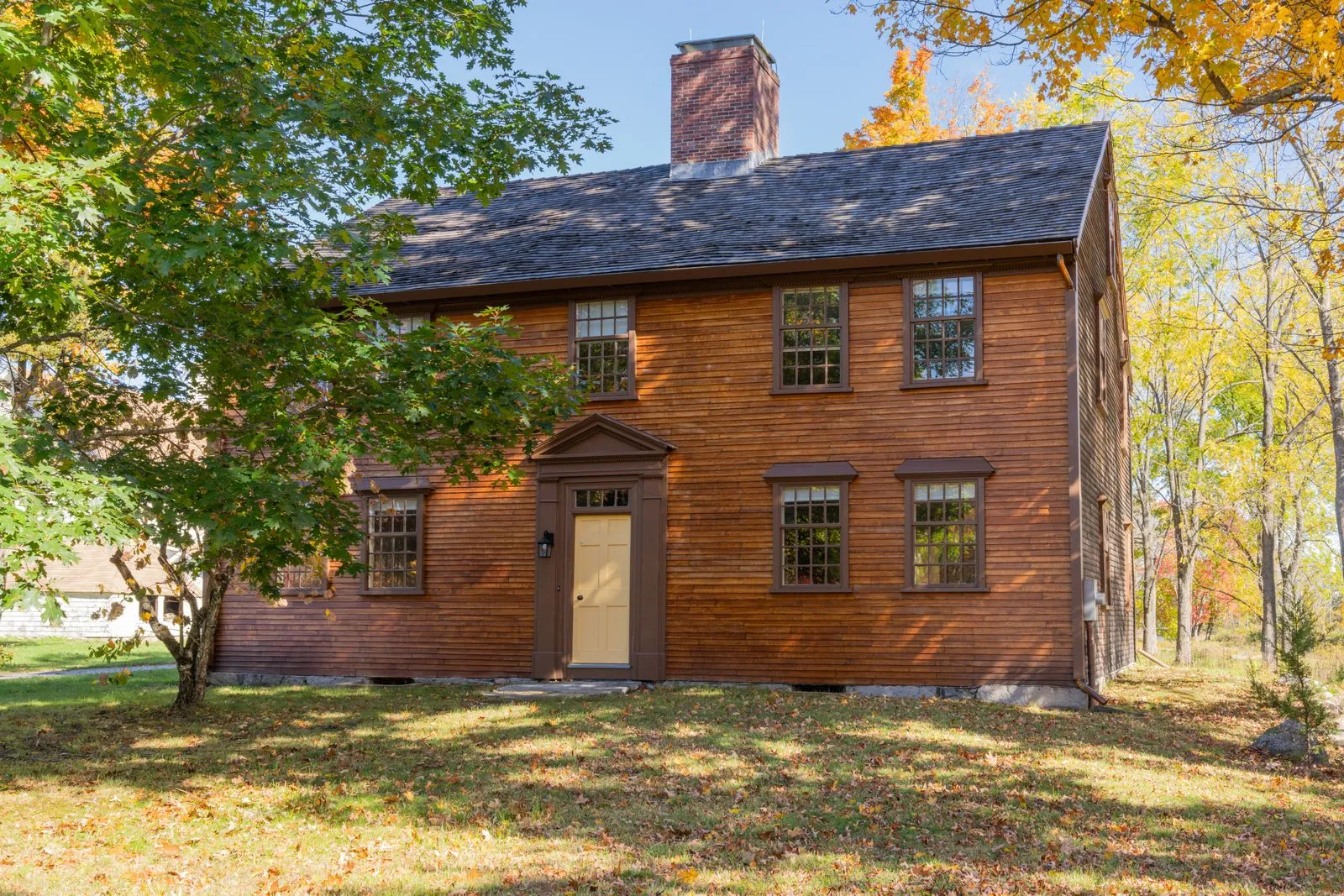
Why does it matter whose name is on the deed?
A homeowners policy is a contract between the carrier and the people or entities it names. The Massachusetts Division of Insurance notes that the declarations page shows the name and address of the insured, the coverage amounts and a description of the property. Carriers generally pay property claims to the named insureds and any mortgagee, so a missing trustee can mean extra paperwork at a bad time.
Liability is the bigger worry. If a guest slips on the front steps in February, the lawsuit may name whoever owns the house. If the owner of record is a trust or an LLC and it isn’t on the policy, you’re asking the carrier to defend an entity it never agreed to insure. You want that sorted out before a claim, not during one.
Nominee trust, family trust or LLC: what changes for insurance?
Nominee realty trusts
Massachusetts lets you hold real estate in a nominee trust. As of November 9, 2026, a Massachusetts Department of Revenue directive describes the usual arrangement: the trustees hold title, the beneficiaries are listed on an unrecorded schedule of beneficial interests, the trustees act only as the beneficiaries direct, and the beneficiaries can end the trust at any time. The same directive notes that a property held this way can be sold by assigning the beneficial interests and appointing a new trustee.
That trips people up: ownership can change without a new deed. If beneficial interests move between family members, or a trustee resigns, tell your agent.
Family and revocable living trusts
With a revocable trust, you usually still live in the home and control it, but the trust (through its trustees) holds title. A common approach keeps you as a named insured and adds the trust. When a successor trustee takes over, the policy should follow.
LLCs
LLCs show up more on second homes, inherited houses and rentals, and the big question is occupancy. If LLC members live in the home, some carriers will write a homeowners policy with the LLC added. If no one in the LLC lives there, a dwelling or landlord-type policy is often a better fit. Our New Hampshire guide to insuring a home owned by a trust or LLC covers the same basics; this post focuses on Massachusetts nominee trusts. For an island second home, see insuring a Nantucket or Martha’s Vineyard home owned by a trust or LLC.
Who should be listed on the policy?
Here’s a starting point for the conversation with your agent. Every carrier has its own rules, and your trust or operating agreement may change the answer.
| Ownership type | Deed holder | Who lives there | Typical named insured | Often added as additional insured / interest |
|---|---|---|---|---|
| Individuals | You (and spouse or co-owner) | You and your household | You and your spouse or co-owner | Mortgage lender |
| Nominee realty trust | Trustee(s) of the nominee trust | Beneficiaries and their household | The family members who live there, with the trust or trustees added (carrier rules vary) | Trustee(s) if not named; mortgage lender |
| Family / revocable trust | Trustee(s) of the family trust | Grantors and their household | The people who live there, with the trust added by endorsement | Successor trustee when one takes over; mortgage lender |
| LLC, members live there | The LLC | LLC members and their household | The LLC and/or the members who live there, if the carrier allows | Mortgage lender; other LLC members |
| LLC, no member lives there | The LLC | Tenants, guests or no one full time | The LLC, usually on a dwelling or landlord-type policy | Mortgage lender; property manager if one is used |
One more detail from the Division of Insurance: personal property and personal liability coverage generally extend to you and family members who live with you. That’s why insurers usually want the people who actually live in the house named somewhere on the policy, even when the trust holds title.

“When a home is held in a trust or an LLC, the name on the policy has to match the name on the deed. If they don’t match, it can cause real problems at claim time. Before you close, or whenever you change trustees, send us the deed or trust paperwork and we’ll make sure everyone who should be on the policy is listed. It’s a five-minute check that can save a lot of headaches later.”
What gaps open when the deed and the policy don’t match?
- Slower claim payments. If the owner of record isn’t on the policy, the carrier may ask for trust documents or extra signatures before it releases a check.
- Liability questions. A claim made against the trust or LLC may not fit neatly into a policy that names only individuals.
- Umbrella mismatch. Your umbrella may list you personally while the home sits with an entity. Our Massachusetts umbrella insurance page explains how umbrellas stack on top of home and auto.
- Application accuracy. Massachusetts lets a carrier cancel a policy that’s been in force more than 60 days only for limited reasons, and misrepresentation is one of them. Accurate ownership details protect you.

Send us the recorded deed and we’ll check that your home, umbrella and flood policies all match it. Talk to our Portsmouth team: (603) 431-4020 or see our Massachusetts high-value home coverage.
What about high-value homes in Wellesley, Weston and Marblehead?
If you own in Wellesley or Weston and your estate plan moved the house into a trust, the homeowners policy is only one piece. In Marblehead and other coastal towns, there may be a separate flood policy too, and it should carry the same names.
For Massachusetts high-value homes, we compare carriers that include Chubb, Cincinnati, Hanover, Openly and National General, and Safety can write MA homes up to $3.5 million (as of November 9, 2026). Underwriting rules for trusts and LLCs vary by carrier. For everyday coverage questions, start with our Massachusetts homeowners insurance page.
What should you send your agent after an estate-planning change?
- A copy of the recorded deed, with the exact name of the trust or LLC as it appears on title.
- The trustee’s certificate, if one was recorded at the Registry of Deeds, showing who the current trustees are.
- Names of the trustees and any successor trustee, plus which family members live in the home full time.
- For an LLC: the exact legal name, who the members or managers are, and whether any of them live in the house.
- The effective date of the transfer, trustee change or assignment of beneficial interest.
- Your mortgage lender or servicer, so the mortgagee clause stays correct.
- Your other policies: umbrella, auto, flood and any valuables floater, so the names match across the board.
- Questions for your estate attorney about the trust itself. We’ll handle the insurance side.
Trust background from the Massachusetts Department of Revenue and the Mass.gov trust law page, checked November 9, 2026. Not legal advice.
The NAIC suggests reviewing your homeowners coverage with your agent at least once a year. An estate-planning change is a good reason to do it early.
Frequently asked questions
Does homeowners insurance cover a house held in a Massachusetts nominee trust?
It can, but the policy has to be set up for it. The trustee usually holds legal title, so carriers generally want the trust or its trustees on the policy along with the family members who live in the home. If the declarations page lists only you as individuals while the deed says “Trustee of the Elm Street Nominee Trust,” ask your agent to fix the mismatch.
Who should be the named insured when my home is in a trust?
It depends on the carrier and the type of trust. A common setup lists the people who live in the home as named insureds and adds the trust or trustees by endorsement or as an additional insured. Some carriers prefer a different arrangement. Your agent should confirm how your carrier wants it written.
Do I need to tell my insurance agent if I move my house into a trust?
Yes. Tell your agent before or right after the deed is recorded, and send a copy. The same goes for a new trustee, a successor trustee taking over, or an assignment of beneficial interest, even if no new deed changes hands.
Does my umbrella policy need to list the trust or LLC too?
Usually, yes. An umbrella generally sits on top of your home and auto policies, so the names and the underlying limits need to line up. Ask your agent to review the umbrella whenever ownership of the home changes.
Can you tell me which kind of trust I should use?
No. That is a legal and estate-planning decision. Ask your estate attorney about trust structure. Once the structure is set, we’ll help make sure the insurance matches it.
Sources
- Massachusetts Division of Insurance, “Understanding Home Insurance”
- Massachusetts Division of Insurance, “Frequently Asked Questions about Homeowners Insurance”
- Massachusetts Department of Revenue, “Directive 95-5: Deeds Excise on Transfers of Beneficial Interests in Nominee Trusts”
- Mass.gov Trial Court Law Libraries, “Massachusetts law about trusts”
- National Association of Insurance Commissioners, “Homeowners Insurance”
Portsmouth Atlantic Insurance has 1,000+ Google reviews and over 2,000 testimonials. We compare options from 40+ carriers, and we don’t charge additional fees. Talk to our Portsmouth team: (603) 431-4020 or email insure@portsmouthatlanticins.com.
Reviewed by Jon Merwin, Founder and CEO, Licensed Insurance Advisor.
Family-owned and open since 2005, Portsmouth Atlantic Insurance is licensed in 10 states, including Massachusetts.
Related guides: How Much Home Insurance Coverage Do I Need? · Insurance Renewal: What to Review · First-Time Home Buyer Insurance: What to Do Before Closing
Next step: see our guide to insuring a Nantucket or Martha’s Vineyard home owned by a trust or LLC, or our Massachusetts high-value home insurance page.