Homes in coastal New Hampshire represent more than property alone. For many homeowners in Portsmouth, Rye, and Hampton, they are long-term investments, legacy residences, and carefully maintained personal assets.
Across the New Hampshire Seacoast, high-end real estate often includes waterfront homes, condominiums near downtown Portsmouth, and luxury properties described by bedroom count, bath count, square footage, outdoor space, and proximity to the beach. While these details matter in a real estate sale, they do not always translate into adequate insurance protection.
Why High-Value Homes Require a Different Insurance Conversation
As home values increase, insurance needs change in ways that are not always obvious.
In practice, higher-value homes in Portsmouth, whether that’s a downtown property, a waterfront home, or a second residence along the Seacoast, tend to come with realities that standard homeowners policies were never built to address.
These homes often involve:
- Higher rebuilding costs driven by size, layout, and custom features
- Quality materials and finishes that are not easily replaced
- Greater exposure to coastal weather and seasonal storms
- Rebuild timelines that stretch longer after a significant loss
For homeowners in Portsmouth, Rye, and Hampton, insurance decisions are rarely about finding the cheapest option. They are about knowing the coverage will hold up and respond properly when it’s actually needed.
What Qualifies as a High-Value Home in Coastal New Hampshire?
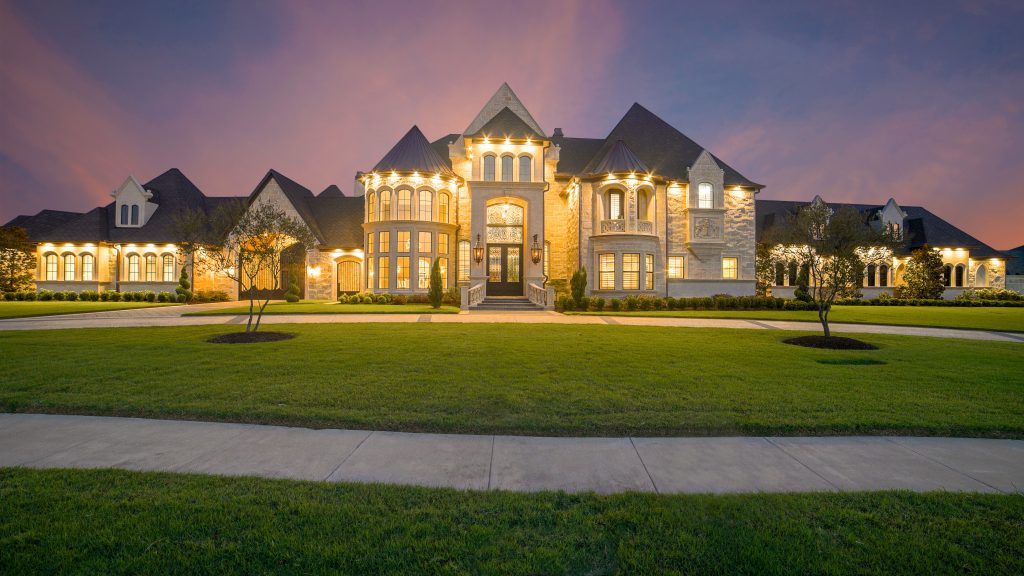
There is no single price tag that defines a high-value home. What matters more is how the home is built, what it would take to rebuild it, and the risks tied to its location.
Along the coast of New Hampshire, many expensive homes have some things in common:
- Properties on the beach or near the beach
- Older homes with historic charm and unique construction
- Custom-built residences with high-end finishes
- Condos or multi-family properties with shared structures and amenities
Square footage, number of bedrooms and bathrooms, views, and natural light are all things that real estate listings tend to focus on. Insurance looks at something else completely. It looks at how much it would cost to rebuild the house today with similar materials and skilled workers from the area.
That distinction matters. A home’s sale price or listing description does not always reflect the cost or complexity of restoring it after a loss. This is why insuring higher-value homes in Rye and nearby Seacoast communities requires more than surface-level assumptions.
Why Standard Homeowners Insurance Often Falls Short for High-Value Properties
Standard homeowners’ insurance policies are made to be useful and work for a lot of different situations. They work well for many homes, but they can cause problems when used on more expensive ones.
Some common problems are:
- Coverage limits that don’t keep up with the real costs of rebuilding
- Replacement cost clauses that don’t cover enough after a lot of storm damage
- Gaps tied to building code upgrades, especially in older homes or condos
- Settlements that don’t fully cover custom materials or finishes
In coastal New Hampshire, storms can quickly raise the cost of materials and the need for workers.When that happens, small coverage gaps can turn into meaningful financial decisions.
High-value homes are better served by coverage that anticipates complexity rather than reacting to it after the fact.
Important Regional Risks in Portsmouth, Rye, and Hampton
The location of a home has a big effect on how well insurance works, especially for homes along the Seacoast that are worth a lot of money. It’s easy to forget how local weather, building styles, and infrastructure affect risk.
Coastal Storms and Wind Exposure
Coastal storms and nor’easters can damage both single-family homes and condos, especially those near the beach or waterfront. Even when homes look well protected, wind-driven rain, roof damage, and pressure on older buildings are common problems during these events.
Flood Risk Misconceptions
Flooding does not stop at the boundary of a mapped flood zone. A lot of homeowners only look at real estate disclosures or flood maps and think they don’t need flood insurance. Storm surge, heavy rain, or drainage systems that can’t handle the amount of water can all let water into a home along the coast, no matter what zone it is in.
Snow Load and Ice Damage
Winter brings its own set of problems. Heavy snow and ice dams can put a lot of stress on roofs, decks, and other structures outside. Over time, this wear adds up, especially for older or custom-built homes with roofs that are hard to work with.
Salt Air and Aging Infrastructure
Living by the ocean means dealing with salty air, but there are some downsides. Corrosion makes HVAC systems, service lines, and outside materials wear out faster, especially in older Seacoast homes. These problems usually don’t happen all at once; they build up over time.
Knowing about these risks in your area is a big part of how coverage is set up and how claims are handled in the end.
High-Value Home Insurance: What Better Protection Actually Looks Like
For high-value homes, well-designed coverage is less about taking shortcuts and more about how things are set up. It starts with knowing how the house was built, how it would be fixed, and what problems might come up after a loss.
Stronger protection often means things like:
- Accurate replacement cost modeling using current local data
- Coverage that lets costs go up after losses in the area
- Expanded coverage for custom finishes, modern comforts, and architectural features
- Extra living expense coverage that takes into account longer times to rebuild
- Claims handling designed for complex losses
The goal is to keep things going. Homeowners want to fix up their homes without having to give up any of their character or usefulness.
Areas of Coverage That Wealthy Homeowners Often Miss
People who have put time and effort into their insurance can still miss some risks.
Frequently missed areas include:
- Fine art, jewelry, and personal collections
- Umbrella liability coverage for higher-net-worth households
- Second homes, condos, or multi-family residences
- Service line coverage for older coastal properties
- Longer rebuilding timelines that change how people live day to day
A lot of homeowners only find out about these gaps after they file a claim. Taking the time to look over coverage before that point can often help you avoid tough decisions later.
How Location Impacts High-Value Home Insurance Pricing
And Why That’s Not the Main Issue
Insurance costs do vary between Portsmouth, Rye, and Hampton. Location affects risk, rebuilding costs, and how insurers view certain properties.
- How close the home is to the waterfront or downtown areas
- Past storm or claims activity in specific neighborhoods
- Construction density and accessibility
- Local labor and material costs when rebuilding is required
These differences are real, but they should not drive the decision on their own. For high-value homes, the ability of coverage to respond well during a loss usually matters more than modest premium variation. Reliability, flexibility, and claims handling tend to carry more weight, especially for higher-net-worth homeowners across Hampton and the Seacoast.
When to Review or Re-Evaluate Your High-Value Home Insurance

Insurance is not something that should remain static. As homes and households evolve, coverage should evolve with them.
A review is often appropriate after:
- Renovations or added living space
- Changes in property value
- Acquiring valuable personal property
- Shifts in household liability exposure
- Policy renewals without recent discussion
For many homeowners, regular reviews are now a part of being a good property owner instead of just fixing problems as they come up.
Working With a Local Independent Advisor Makes the Difference
High-value home insurance is rarely one-size-fits-all.
Homeowners can think more carefully about their coverage when they work with a local, independent advisor. It makes it possible for:
- Comparing choices that are actually good for homes on the coast and by the water
- Taking into account the costs of building in different areas and the risks that are common
- Advice that changes as the home or family does
- Help with a claim, not just when the policy is first set up
An advisor who knows Portsmouth, Rye, and Hampton well can often see things that national models don’t. Portsmouth Atlantic Insurance‘s main goal is to help homeowners understand their coverage without making them feel rushed or making assumptions.
The Best Way to Keep Coastal New Hampshire’s High-Value Homes Safe

Homes with a lot of value need protection that is planned based on their location, structure, and long-term value.
Homeowners in Rye, Portsmouth, and Hampton should make informed choices when it comes to insurance. Knowing where standard policies fall short and what stronger protection looks like lets you make smart, confident decisions.
Regularly reviewing coverage helps ensure it continues to reflect the true value and risk of the home. A thoughtful review can bring clarity and reassurance over time. Contact us today for a personalized review.
FAQs
What is considered a high-value home for insurance purposes?
High-value homes are typically defined by replacement cost, construction complexity, and exposure rather than listing price alone.
Is flood insurance necessary for coastal New Hampshire homes?
Flood risk can exist outside mandatory zones. Coverage should be evaluated based on location and exposure.
How often should high-value homeowners review their insurance?
Every one to two years, or after major renovations or value changes.
Does homeowners’ insurance automatically cover high-end renovations?
Not always. Coverage limits should be updated after renovations.
Why do high-value homes require specialized insurance?
Because rebuilding costs and claims complexity differ significantly from standard homes.