How Does Boat Insurance Work?
Article updated: 04/2026
So, you’ve recently acquired a boat, and you’re wondering how boat insurance works, right? You’re on this blog post, so you must be interested in learning more about how the boat insurance process works.
Securing the right protection should be one of the first priorities after purchasing a boat, especially when reviewing different types of boat and watercraft coverage available for your vessel.
Similar to car insurance, boat insurance offers important financial protection for your investment. If you also own a camper or motorhome, it’s worth understanding how RV insurance coverage compares with other recreational vehicle policies. In this post, we’ll explore the nuts and bolts of how boat insurance works, what it covers, and why it’s truly an essential purchase for any and all boat owners.
Boat Insurance Explained
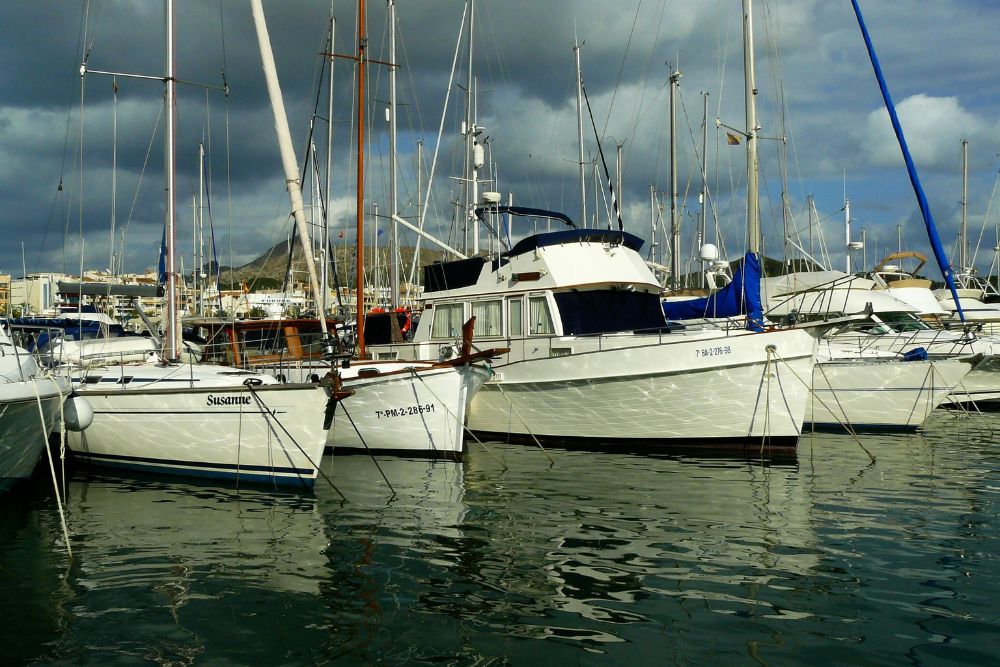
Boat insurance is mainly intended to provide financial protection to boat owners in the event of a loss or damage to their vessel, since standard homeowners insurance coverage may not fully protect larger or higher-value watercraft.
It shields them from accountability for any injuries or property damage their boat may have caused. Some of the main components of boat insurance are:
- Coverage types:
- Property Coverage: This covers damage to your boat. It can help cover the cost of repairs or replacement of your boat if it’s damaged or destroyed by accidents, fire, storms, theft or other covered events
- Liability Coverage: Liability coverage helps protect you from financial loss if your boat injures others or damages another person’s property, while some owners also carry umbrella liability coverage for added protection beyond standard limits.
- Medical Payments: This coverage can handle medical expenses for injuries that you, your passengers, or even water skiers/tubers might suffer during boating activities
- Uninsured/Underinsured Watercraft: Protects you if you’re in an accident with another boater who doesn’t have adequate insurance
- Policy Limits and Deductibles: Your policy limits will determine the maximum amount your insurer will pay out for different types of claims. Deductibles are what you pay out of pocket before your insurance kicks in. Balancing these can help you manage your premiums and coverage levels effectively.
- Agreed Value vs. Actual Cash Value: Insurance policies can be based on either agreed value (where the boat’s value is determined when the policy is written) or actual cash value (where depreciation is taken into account). Agreed value policies can offer more predictable payouts but might come with higher premiums.
Why You Should Get Boat Insurance
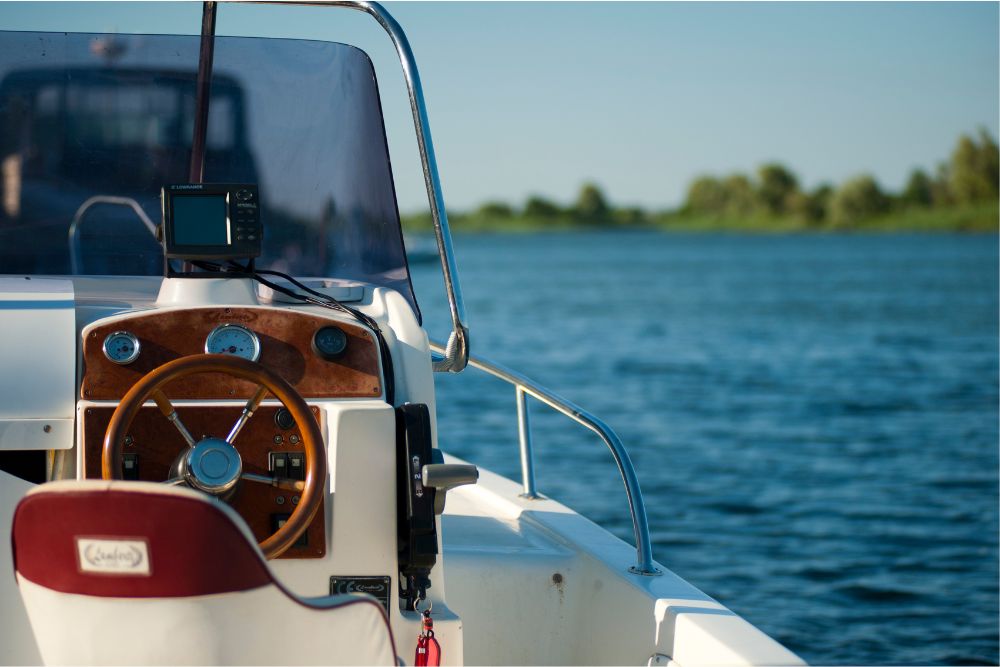
Boating has some unique risks and exposures, most of which you won’t find with other modes of transport. There are many reasons why having boat insurance is important, especially when considering the common risks and exposures many boat owners overlook before learning why boat insurance matters
- Financial Protection: Boating accidents can cost a lot. From repairing a damaged hull to fighting a liability lawsuit, the right insurance policy can help you pay for unforeseen expenses without putting your financial security at risk.
- Legal Requirements: Some marinas and harbors require proof of liability insurance before allowing your boat to dock. Some states may also have their own insurance requirements for the owners of boats.
- Peace of Mind: Knowing that you, your passengers, and your boat are protected can help you enjoy your time on the water with fewer concerns and a greater sense of worry less protection.
Getting the Right Insurance
Here are some tips to keep in mind when shopping for boat insurance:
- Shop Around: Get quotes from several insurers to compare coverage and prices. Review the policy and see what’s covered and what’s an additional cost.
- Read the Fine Print: Know what your policy does not cover Some policies might not cover certain types of damage, or may have restrictions as to where and when you can use your boat.
- Safety Discounts: Some insurance companies offer discounts for completing boating safety courses or carrying approved equipment onboard, and following practical boat safety tips may also help reduce accident risks. These can help lower your premiums and promote safer boating.
Call Portsmouth Atlantic Insurance for your Boat Insurance needs
The life vests on your boat that save you and your passengers from drowning are as important as boat insurance. Boat insurance is not just a legal requirement, it’s about making your boating adventures as stress-free as possible.
Now that you know how boat insurance works and what to look for in a policy, you can shop around with the confidence and knowledge you need to make an informed decision about which boat insurance policy to choose.
If you are reviewing your current policy or comparing options for a new boat, you can request a personalized quote and speak with a local advisor about the protection that best fits your boating needs. Whether you’re purchasing your first policy or reviewing existing coverage, our Service Center provides helpful resources for policyholders throughout the year.
More a Boat Policy Can Cover
Towing and On-Water Assistance
Most people don’t think about towing until they’re stuck. A dead battery, an engine problem or running aground can leave you calling for help, and that help isn’t cheap. Many boat policies can include towing and assistance, so ask for it when you quote.
Salvage After an Accident
If your boat sinks or has to be pulled out of the water after a covered accident, some policies help with salvage and wreck removal. Check your policy for the limits.
Theft of the Boat and Your Gear
Boats and their equipment get stolen at home, at the marina and on the water. Coverage can extend to motors, navigation electronics, fishing gear and other equipment on board, up to your policy’s limits.
Marina and Lender Requirements
Many marinas and harbors ask for proof of liability coverage before you can dock or use their facilities. If you financed the boat, your lender will likely require coverage for as long as there’s a loan on it. Have your declarations page handy at the start of the season.
Looking for coverage? See our New Hampshire boat insurance page to get a quote.
FAQs
How does boat insurance work?
Yes. Boat insurance works by helping cover financial losses related to your boat, passengers, or liability after a covered incident. Policies typically include protection for physical damage, injuries, theft, storms, and liability claims. Coverage limits, deductibles, and exclusions vary depending on the type of boat and policy selected.
What does boat insurance usually cover?
Yes. Most boat insurance policies cover physical damage to the boat, liability for injuries or property damage, medical payments, and theft. Some policies also include uninsured boater coverage, towing assistance, and protection for fishing equipment or personal belongings stored onboard. Coverage depends on the insurer and policy terms
Is boat insurance legally required?
Sometimes. Boat insurance is not legally required in every state, but many marinas, lenders, and harbors require proof of liability coverage before allowing docking or financing. Even when not required by law, insurance helps protect boat owners from repair costs, lawsuits, and accident-related expenses.
How much boat insurance do most owners need?
Most boat owners need enough coverage to repair or replace the boat, cover liability claims, and handle medical expenses after an accident. Higher-value boats or vessels used frequently may require broader coverage limits, especially for storm damage, towing, or uninsured boaters. Personal financial risk also matters when selecting limits.
Does homeowners insurance cover boats?
Sometimes. Homeowners insurance may provide limited coverage for small boats, but it often excludes larger or high-value watercraft. Coverage limits for damage, liability, and theft are usually much lower than a dedicated boat insurance policy. Many boat owners purchase separate coverage for stronger financial protection.
Myth: Boat insurance only matters for expensive boats. Is that true?
No. Even smaller or older boats can create costly liability claims after accidents or injuries. Boat insurance is not only about replacing the vessel itself. It also helps cover damage to other boats, docks, property, or medical expenses that could otherwise become major out-of-pocket costs.
Myth: Calm lakes and short trips mean you do not need boat insurance. Is that true?
No. Accidents, theft, storms, and injuries can happen even during short recreational trips on calm water. Many claims involve docking accidents, unexpected weather, or passenger injuries rather than major boating disasters. Insurance helps reduce the financial impact of these situations regardless of trip distance.
What is the difference between agreed value and actual cash value boat insurance?
Agreed value policies pay a pre-determined amount if the boat is totaled, while actual cash value policies factor in depreciation. Agreed value coverage usually offers more predictable payouts but may cost more. Actual cash value policies often have lower premiums but smaller claim payments for older boats.
Can boat insurance cover storm or hurricane damage?
Yes. Many boat insurance policies cover storm-related damage caused by wind, lightning, hail, or hurricanes if the event is included in the policy terms. Some insurers may apply separate hurricane deductibles, navigation restrictions, or seasonal storage requirements depending on the location and boating season.
What affects the cost of boat insurance?
Several factors affect boat insurance costs, including the boat’s size, value, age, horsepower, storage location, and how often it is used. Insurers also consider boating experience, claim history, navigation area, and available safety equipment when calculating premiums. Completing boating safety courses may help lower rates.