Along the New Hampshire Seacoast, homes by the water are worth more than just money. For people who own homes in Rye, New Castle, and Hampton, these properties are often long-term investments and legacy assets that they have carefully chosen and taken care of over time.
Where you live is a big factor in insurance decisions. Flooding and wind damage affect coastal homes differently than homes further inland, especially when evaluating high-value coastal home insurance for properties built near the shoreline.
Most coastal homeowners believe their insurance is “solid” until they see how a real wind-and-flood claim unfolds along the New Hampshire Seacoast.
The problem isn’t whether you have coverage, it’s whether your policy behaves the way you expect when rebuilding actually begins.
In these situations, standard coverage assumptions don’t always hold up.
Why Coastal Location Changes Insurance Needs for High-Value Homes
The fact that the area is close to the Atlantic Ocean changes both the risks and the realities of rebuilding. When there are big storms on the coast, homes that are above what people think are flood levels or outside of mapped flood zones can still be damaged by water, wind-driven rain, and storm surge.
Coastal weather patterns do not always behave predictably. Wind, rain, and rising water often work together in ways that maps and simple risk categories don’t show. Insurance choices that are based only on zone designations or surface-level assessments can miss important exposure.
These risks are worse for homes that are worth a lot of money. Custom construction, finished lower levels, and high-end building materials make it harder to understand losses and more expensive to fix them.
Most standard homeowners insurance policies are based on average homes and predictable loss situations, not the layered risks that come with high-value coastal properties.
Many homeowners only recognize how much location matters after considering how a real loss might unfold.
Getting to Know Flood Risk Beyond FEMA Flood Maps
Flood Risk Exists Outside Designated Flood Zones
Flood maps are a good place to start, but they don’t give you all the information you need about risk. Tidal surges, heavy rain, drainage systems that can’t handle the water, and storms that move water in ways that don’t always follow mapped zones can all cause flooding in coastal areas.
It’s easy to miss these dynamics, especially when evaluations only look at elevation or flood zone classification. In reality, water usually goes where the land, buildings, and storms go, not where the lines on a map go.
High-value homes in Rye, New Castle, and Hampton often have features that make them more visible, like finished basements, walkout lower levels, mechanical systems below the main floor, or being close to the water.
Figuring out how flood insurance coverage works in coastal areas often shows risks that flood maps don’t show.
Why Homes with High-Value Are More Likely to Flood
Flood damage in a high-value home rarely affects only basic materials. Custom flooring, built-in cabinetry, climate control systems, and architectural finishes are costly to restore and often require specialized trades.
After storms in a certain area, it can take a lot longer to fix things because there aren’t enough workers and there is more demand. These delays make claims more complicated and can make it harder for a household to get back on its feet.
Knowing how flood exposure is measured for expensive homes helps explain why surface-level assumptions don’t always work. These details are often easier to evaluate with the help of an independent insurance advisor who understands how complex coastal claims unfold in practice.
Wind Exposure Along the Seacoast
Nor’easters, Coastal Storms, and Wind-Driven Damage
Wind risk along the New Hampshire coast extends well beyond hurricanes. Nor’easters and seasonal coastal storms regularly produce sustained winds and strong gusts capable of damaging roofs, siding, windows, and exterior features.
Wind-driven rain is a frequent contributor to interior damage. Even without visible structural failure, moisture can penetrate small vulnerabilities and lead to significant repairs over time.
How Wind Losses Escalate for High-Value Homes
High-end homes often have complicated rooflines, big windows, and custom-made materials on the outside. Fixing or replacing these parts takes skilled workers, and there may not be enough of them after big storms.
Because of this, wind damage to more valuable properties tends to get worse faster and take longer to fix, which costs more and causes more trouble.
Where Standard Homeowners Insurance Doesn’t Always Work
Most homeowners insurance plans work well for a lot of different types of homes. That way of doing things makes sense for a lot of families. It doesn’t always work well for coastal properties that are worth a lot of money.
When standard coverage is applied to homes near the coast, certain limitations tend to surface.
- Coverage limits that do not fully reflect the true replacement cost
- Restrictions or sublimits related to wind or storm damage
- Overlapping gaps when wind and flood exposures intersect
- The assumption that a higher home value automatically equals stronger protection
For coastal homes, these limitations may not become visible until a claim is already underway.
Many coastal homeowners ultimately benefit from insurance designed for high-value properties, where longer rebuild timelines and complex losses are expected rather than treated as exceptions. Some carriers focus on higher-value properties, longer rebuilding times, and more complicated coastal risks.
In these cases, companies like:
- Chubb
- Cincinnati Insurance
- Andover Companies
Are often thought of because their policies are set up to handle complicated losses in a more predictable way.
At Portsmouth Atlantic Insurance, our role is to help coastal homeowners understand how different coverage options actually apply to their home. That means looking closely at the property itself, where it is located, and what rebuilding would realistically involve.
We are an independent agency, and we care about being clear. We talk about the differences, the pros and cons, and We help coastal homeowners understand how policies behave during real losses, not how they read on paper.
Flood Insurance Considerations for Coastal High-Value Homes
Separating Homeowners Insurance from Flood Coverage
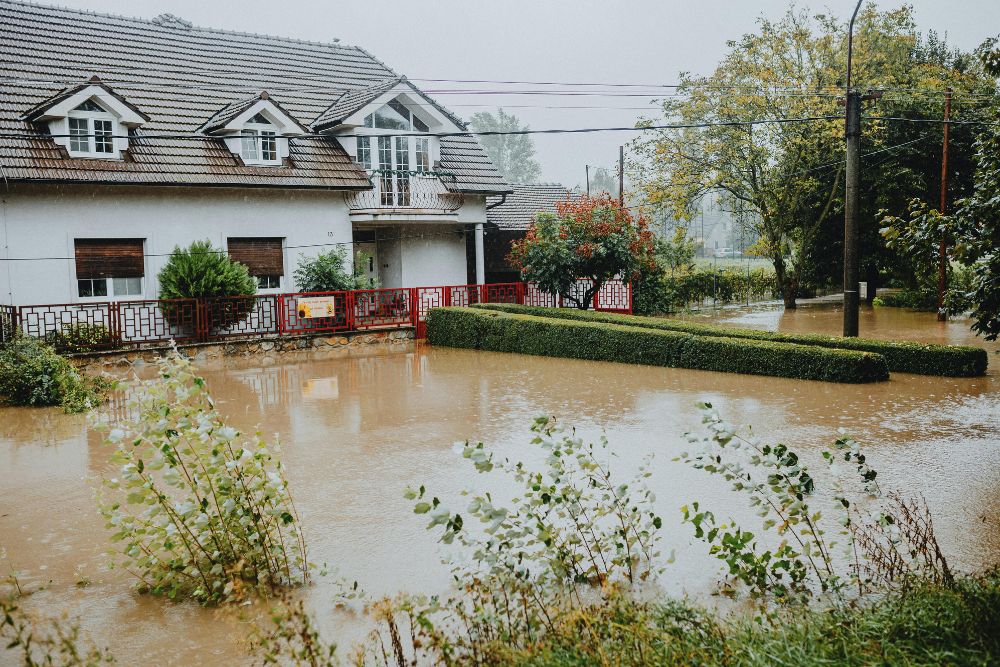
A standard homeowners policy does not cover damage from floods. Many people who live on the coast still think they don’t need flood insurance, often because their home is not in a mapped flood zone.
In reality, flood risk should be based on how water could realistically get to the building, not just on map classifications.
Flood Coverage Design Matters More Than Eligibility
Flood insurance is not one-size-fits-all. Elevation, foundation type, construction method, and property use all influence how coverage responds. For high-value homes, coverage structure often plays a larger role in outcomes than eligibility alone.
Many homeowners benefit from stepping back and reviewing how flood coverage would actually respond in a real loss, rather than focusing only on whether a policy exists.
Rebuilding Costs and Timeframes After Coastal Losses
After major coastal storms, rebuilding along the Seacoast becomes more complicated. Skilled labor can be hard to secure, material costs often rise, and permitting delays are common. These challenges tend to be more pronounced for architecturally complex or higher-end homes.
When properties are worth a lot, longer rebuilds often mean that people have to stay away from their homes for longer periods of time. When repairs need custom materials, specialized trades, or detailed craftsmanship that can’t be rushed, extra living expense coverage is very important.
Overlooked Risk Areas in Rye, New Castle, and Hampton Homes
Even well-maintained coastal properties may have exposures that are easy to overlook:
- Finished basements and lower-level living areas
- Service lines affected by old coastal infrastructure
- Detached garages, guest houses, and outdoor structures
- Liability issues that come with living and having fun near the coast
When looking at overall protection, these areas often make things more complicated during a claim, so they should be thought about carefully.
When Coastal Homeowners Should Review Their Coverage
Insurance coverage should evolve as homes and households change. A review is often appropriate after:
- Renovations or additions
- Changes in property value
- Multiple seasons without a coverage discussion
- Relying on assumptions based on older policies
For many homeowners, regular reviews become part of responsible long-term property stewardship, particularly when working with local insurance guidance in Rye that reflects coastal construction and rebuilding realities.
Frequently Asked Questions
What qualifies as a high-value home in Rye, New Castle, or Hampton?
High-value homes are typically defined by replacement cost, construction complexity, and exposure rather than purchase price alone. This applies whether the home is a historic residence near Great Island Realty, a modern coastal build, or part of a curated collection of NH luxury homes.
Is flood insurance necessary if my home is not in a flood zone?
Flood risk can exist outside designated flood zones. Coastal storms, tidal surges, and surface water runoff can affect properties that are not mapped as high-risk.
Does homeowners insurance cover wind damage from coastal storms?
Homeowners insurance often covers wind damage, but coverage terms, limits, and exclusions vary. Wind-driven rain and overlapping flood damage can introduce complexity during claims.
Why do high-value coastal homes take longer to rebuild after a loss?
Custom materials, specialized trades, permitting requirements, and post-storm demand all tend to slow the rebuilding process for high-value coastal homes. These are not edge cases. Along the Seacoast, they are common realities that shape how long restoration actually takes.
How often should coastal homeowners review their insurance coverage?
Most homeowners benefit from revisiting their coverage every one to two years. A review is also worth considering after renovations, meaningful changes in property value, or long stretches of time without a detailed conversation about coverage.
Bringing Structure and Clarity to Coastal Home Insurance Decisions

Flood and wind exposure are not box-checking exercises. They are structural considerations that influence how a loss unfolds and how well coverage performs.
To protect high-value homes in Hampton, Rye, and New Castle, you need to know how location, construction details, and the realities of rebuilding all come together. This is true whether you live in the house full-time, just bought a coastal property, or are still thinking about one along the New Hampshire coast.
When it counts, clear, well-organized coverage gives you confidence. A careful review can help you figure out if your current insurance really covers the risks your home faces now, not just how it was insured in the past.
Request a Coastal Coverage Stress Test
A 20-minute review focused on how your current policy would respond to a real wind or flood loss — not a quote, not a sales pitch.