Introduction to Builders Risk Insurance
We’re Portsmouth Atlantic Insurance, working with homeowners and property owners to help protect construction projects from financial disruption. Builders risk insurance plays a specific role during construction, where materials, timelines, and exposure to loss are constantly changing. For a more detailed explanation, this overview of what builders risk insurance is can provide additional context.
We understand that insurance can be a complex topic, so let’s break it down in a way that’s easy to grasp.
Builders Risk Insurance: A Comprehensive Overview
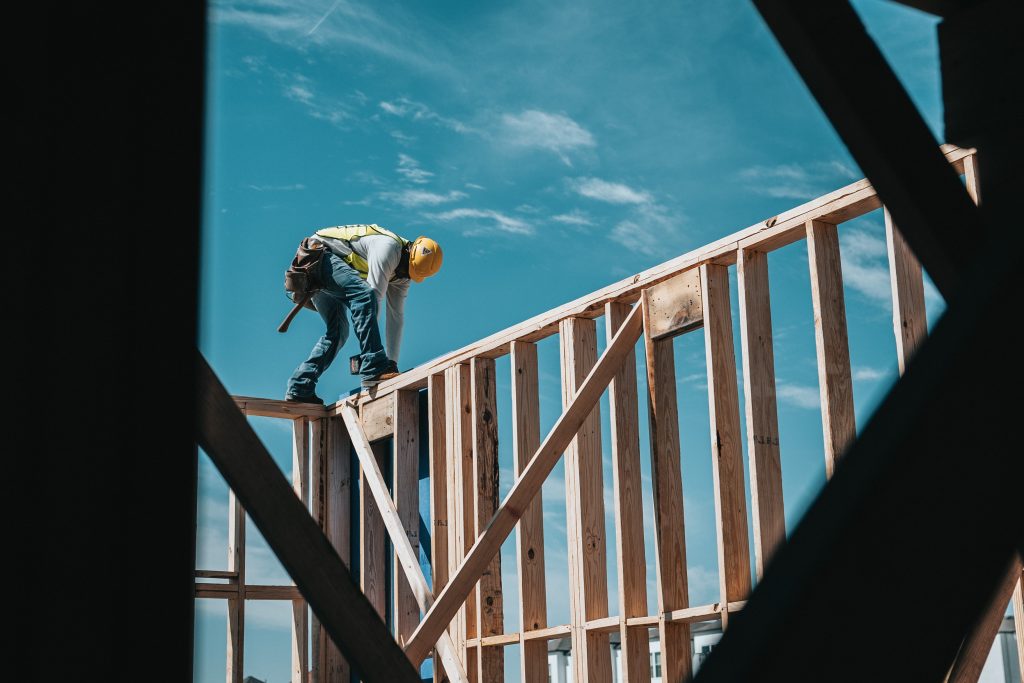
When embarking on a construction project, whether it’s building a new home, renovating your existing property, or installing new features, one thing is certain – it’s a substantial investment of both time and money. That’s where builders risk insurance comes into play. Builders risk insurance protects the structure, materials, and financial progress of a project while it is under construction. For local projects, reviewing how this applies through builders risk insurance in New Hampshire can help clarify what protection looks like before work begins.
Who Needs Builders Risk Insurance?
Builders risk insurance is often associated with large construction projects, but in practice, it applies to a wide range of situations where a property is being built, renovated, or structurally altered.
Homeowners, contractors, lenders, and even property investors all have a financial interest in how a project is protected during construction.
Whether you’re the property owner, contractor, or lender involved in the project, having a builders risk policy in place is crucial. In some cases, projects may also require performance or payment bond coverage depending on contractual obligations. It can also extend its protective umbrella over the architect or engineer overseeing the project. If your project is financed, your lender will typically require proof of builders risk insurance.
For homeowners in New England, especially in areas exposed to coastal weather, snow load, and seasonal storms, the risk profile during construction can differ significantly from a completed home. For Connecticut-based projects, working with a Stratford insurance agency can help account for these regional factors.
Many only recognize this gap after a delay or loss interrupts the project timeline.
Understanding Builders Risk Insurance Coverage

What Is Typically Covered by Builders Risk Insurance?
1. Building Repair/Replacement: In the unfortunate event of damage to the structure, your policy can cover the costs of repair or replacement.
2. Materials and Supplies: All the materials and supplies needed for your project are safeguarded under this policy.
3. Tools and Equipment: Expensive tools and equipment used in construction are covered, ensuring you won’t bear the cost of replacing them out of pocket.
4. Furniture and Fixtures: Any furniture or fixtures being installed as part of your project are included in the coverage.
5. Outdoor Property: If your project involves outdoor components, such as a new deck or landscaping, these are also protected.
6. Debris Removal: Cleanup and removal of debris resulting from covered losses are covered expenses.
7. Property in Transit or Off-Site: Materials or equipment in transit to your construction site or temporarily stored off-site can be insured.
8. Theft: In the unfortunate event of theft, your policy can help replace stolen items.
9. Damages from Vandalism: Acts of vandalism can be financially devastating, but with builders risk insurance, you’re protected.
10. Damages from Fire: Fire can cause extensive damage; this policy will cover the costs of repair or replacement.
11. Damages from Storms: New Hampshire’s weather can be unpredictable, and your policy covers damages from lightning, hail, hurricanes, and strong winds.
12. Damages from Earthquakes (optional): While not a common occurrence in New Hampshire, earthquake coverage is available as an optional add-on.
13. Damages from Flood (optional): Flooding can happen, and you can opt to include flood coverage in your builders risk policy. In some cases, this is handled through separate flood insurance coverage depending on the property and location.
What Is Not Covered by Builders Risk Insurance?
It’s essential to be aware of the limitations and exclusions of your builders risk insurance policy. Here’s what is typically not covered:
1. Accidental Damage: Accidentally dropping something or causing damage due to negligence is generally not covered.
2. Damages to Someone Else’s Property: Your builders risk policy is designed to protect your project, not other people’s property.
3. Intentional Property Damage: Deliberate acts of damage are not covered.
4. Wear and Tear: Regular wear and tear over time is not considered a covered loss.
5. Claims of Bodily Injury: Builders risk insurance is property-focused; it does not cover bodily injury claims.
When Should You Get a Builders Risk Insurance Policy?
Builders risk insurance is ideally put in place before construction begins, although some policies may still be issued after a project has started depending on conditions. In many cases, lenders will require you to request a builders risk binder before construction starts to confirm coverage is in place. We collaborate with several insurance companies offering builders risk policies, and some are willing to consider insuring your home, even after construction has started.
Factors Affecting Builders Risk Insurance Cost
The cost of builders risk insurance can vary widely based on several factors, including:
1. Extensions Included: Additional coverage options and extensions can increase the premium.
2. Site Address: The location of your project plays a role in determining the cost.
3. Type of Project: The nature of your construction project, whether it’s a new build, renovation, or installation, impacts the premium.
4. Project Budget: The total budget for your project is considered when calculating the cost.
5. Number of Stories: The height of your building can affect the premium.
6. Square Footage: The size of your project area is a factor in the cost.
7. Public Protection Class: The level of public fire protection services in your area can influence the premium.
8. Actual Cash Value of Existing Structure: For renovations, the value of the existing structure is taken into account.
9. Year Built: The age of the property can affect the cost of coverage.
10. Projected Structural Alterations: The extent of structural changes planned for your project can influence the premium.
Final Thoughts
In conclusion, builders risk insurance is an indispensable tool for protecting your construction project in New Hampshire. Whether you’re constructing a new home, renovating, or making significant additions, having the right coverage can make a world of difference when the unexpected occurs.
Don’t wait until it’s too late; consult with Portsmouth Atlantic Insurance today to explore your builders risk insurance options and ensure your project is safeguarded from start to finish. Understanding how coverage applies at each stage of construction can help clarify where gaps may exist. Once construction is complete, many projects transition into homeowners insurance coverage designed for long-term protection.
For homeowners and property owners in New Hampshire and Connecticut, reviewing how current policies align with a project can provide useful clarity. Many prefer working with a Portsmouth-based insurance agency familiar with local construction and weather-related risks.