Flood insurance in New Hampshire is often necessary even for homeowners outside high-risk flood zones. The key issue is not whether flooding is likely, but whether your current coverage would respond if it happens.
Many homeowners assume they are protected because they are not in a mapped flood zone. In reality, a significant number of flood claims occur in moderate- or low-risk areas . For example, a homeowner in an inland New Hampshire town may experience basement flooding after heavy spring snowmelt, only to discover their homeowners policy does not cover external water intrusion.
A Quick Reality Check on Flood Coverage
- Flood damage is not covered by standard homeowners insurance
- Flood risk in New Hampshire includes coastal and inland areas
- FEMA flood zones do not capture all real-world risk
- Coverage decisions often come down to timing and structure
- Many gaps only become clear after a loss
Understanding how flood insurance actually works requires looking beyond basic definitions and seeing how it fits within broader home insurance in New Hampshire. The differences between policy types, coverage limits, and real-world scenarios often shape outcomes more than most homeowners expect.
Do You Need Flood Insurance in New Hampshire?
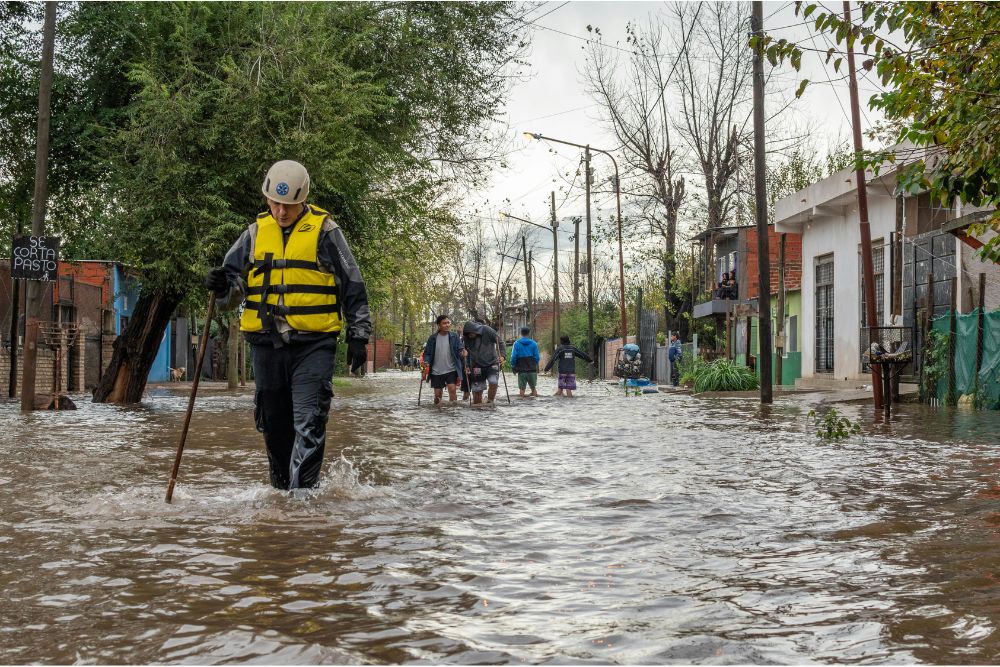
Yes, many homeowners in New Hampshire should consider flood insurance, even outside high-risk zones. The real question is whether your current policy would respond to flooding.
Reviewing your flood insurance coverage options can help clarify how protection actually works in practice.
Flood risk is not limited to coastal areas. Many claims come from moderate or low-risk zones.
For example, a homeowner in an inland town may see rainwater enter their basement. Their policy may not cover it because the water came from outside.
The common belief is that “not in a flood zone” means “no risk.” In reality, it often means “not required by a lender.” Understanding the difference between mortgage insurance and homeowners insurance can also help clarify what your lender actually requires.
A better question to ask:
If water entered your home from outside, would your policy respond?
At Portsmouth Atlantic, this is where clarity begins. The goal is understanding risk before a loss. If you’re comparing coverage, requesting a personalized flood insurance quote can help you better understand which policy fits your property’s risks.
Why Flood Risk in New Hampshire Is Often Misunderstood

Flood risk in New Hampshire extends far beyond coastal properties. Inland areas face consistent exposure from weather and geography.
Coastal homes deal with storm surge and tidal flooding. Inland homes face rainfall, river overflow, and snowmelt.
For example, a home near a small river may seem safe for years. Then snowmelt and rain cause sudden flooding.
FEMA flood zones provide a baseline, not a guarantee. They do not capture:
- Local drainage issues
- Infrastructure changes
- Shifting weather patterns
Flood risk is about how water moves, not just where you live.
The One Distinction That Changes Coverage: Flood vs Water Damage
The source of water determines whether your claim is covered. This is where most misunderstandings happen.
Flood damage comes from outside the home. Water damage usually starts inside.
For example:
Surface water from heavy rain that floods the ground around your home and seeps in through the foundation is generally treated as flood damage, which is often misunderstood in situations like basement flooding claims.
A burst pipe causing the same damage is usually covered.
This distinction is a common reason claims are denied.
The main point is:
The amount of damage doesn’t matter; what matters is where the water came from.
Getting this right from the start can help you avoid expensive surprises later.
What Flood Insurance Covers And Where It Falls Short

Flood insurance covers structure and some belongings, but limits matter. Coverage is split between building and contents.
Building coverage includes:
- Foundation and walls
- Electrical systems
- Major components
Contents coverage includes:
- Furniture
- Appliances
- Personal items
These limits are separate and must be chosen carefully.
For example, a home may be rebuilt after a flood. Personal belongings may only be partially reimbursed.
Common gaps include:
- Basement limitations
- Excluded sewer backup
- Restricted below-grade items
Coverage limits may not reflect full rebuild costs.
Many gaps only become clear after a loss. Seeing them early changes how you plan protection.
NFIP vs. Private Flood Insurance: What Really Changes
NFIP and private flood insurance are different in terms of how flexible they are, how much they cover, and how they are set up. The differences are more important for homes that are worth more.
NFIP provides:
- Coverage that is the same for everyone
- Limits that are set
- Structure that stays the same
Private policies might offer:
- More coverage limits
- More choices
- More flexibility
For instance, a custom home might go over the NFIP limits. A private policy may be a better fit for the costs of rebuilding.
How claims are handled can also depend on the policy.
At Portsmouth Atlantic, homeowners can make sure their coverage matches the real value of their property by comparing the two options.
When you need flood insurance and when you don’t need it
Certain mortgages require flood insurance in areas that are at high risk. In other places, it’s usually not required.
If lenders want coverage, they need it:
- The property is in a high-risk area for FEMA
- The government backs the mortgage.
But a lot of floods happen outside of these areas.
For instance, a property with a moderate risk of flooding may still flood during heavy rain.
No requirement doesn’t mean no risk.
A better way to think about it is:
- Property location
- Conditions in the area
- Financial risk
The choice should be based on risk, not just the lender’s rules.
Real-Life Examples That Help Make Risk Clear
Real-life situations make the risk of flooding clearer. Patterns repeat across regions in New Hampshire.
Some common examples are:
- Heavy rain can cause flooding in the basement.
- Snowmelt is too much for drainage systems to handle.
- Storm surge pushing coastal water into homes near the shore
For instance, when snow melts quickly, it can push water toward foundations. Homes outside flood zones can still be affected.
These are not rare events. They are predictable patterns. If a property sits unoccupied for extended periods, reviewing whether vacant home insurance is worth it alongside flood coverage may help avoid unexpected gaps.
Understanding these scenarios helps connect coverage decisions to real outcomes.
Timing Matters: When Flood Insurance Starts And Why It’s Often Too Late
Flood insurance does not start immediately. Waiting periods create risk gaps.
Most policies require time before coverage begins.
For example, buying coverage after a storm is forecast may not help. The policy may not be active yet.
This is one of the most overlooked risks.
Waiting periods exist to prevent last-minute purchases.
The key takeaway:
Planning ahead determines whether coverage is in place when needed.
A Simple Way to Think About Flood Insurance as a Financial Decision
Flood insurance is about financial exposure, not just probability.
Even a low-probability event can cause significant loss.
For example, one flood can result in tens of thousands in damage.
This shifts the mindset:
- Not “Will it happen?”
- But “What happens if it does?”
Flood insurance creates a defined financial response.
At Portsmouth Atlantic, this perspective helps homeowners evaluate coverage with clarity.
For many, regular reviews become part of responsible property ownership and may also uncover opportunities to lower your home insurance costs without creating unnecessary coverage gaps.
Sources
- FloodSmart (FEMA/NFIP), What’s Covered
- FloodSmart (FEMA/NFIP), What Is My Flood Zone?
- New Hampshire Insurance Department, Flood Insurance: What Granite Staters Need to Know About Protecting Their Homes
FAQs
Do you need flood insurance in New Hampshire if not in a flood zone?
Yes, coverage is still worth considering. Flooding often occurs outside high-risk zones due to rainfall, snowmelt, or drainage issues. Requirements reflect lending rules, not full risk exposure.
Does homeowners insurance cover flooding in New Hampshire?
No, standard policies do not cover flood damage. They may cover internal water issues, but external water intrusion is excluded. Separate flood insurance is required.
What does flood insurance cover in NH?
Flood insurance covers structural damage and some belongings. This includes foundations, electrical systems, and appliances. Contents coverage is separate and should match your needs.
How long does flood insurance take to start?
NFIP policies generally take effect 30 days after purchase, with a few exceptions, and private flood policies set their own waiting periods. Coverage does not begin immediately, so early planning is important.
Is flood insurance required in New Hampshire?
It is required in high-risk zones with certain mortgages. Outside those areas, it is optional but often recommended.
Myth vs Fact: You don’t need flood insurance outside flood zones
Myth. Many claims occur outside designated zones. Risk exists even without a requirement.
Myth vs Fact: Flood insurance covers everything in a basement
Myth. Basement coverage is limited. Many items are excluded or partially covered.
A More Measured Way to Approach Flood Risk
Flood risk is often gradual, not dramatic. Small gaps in understanding lead to larger gaps in coverage.
A thoughtful approach considers:
- Location
- Property characteristics
- Coverage structure
For example, reviewing how your policy responds to specific scenarios often reveals hidden gaps.
Clarity comes from understanding how coverage performs before a loss. For homeowners who want to review their current exposure, it can help to request a flood insurance quote and compare how policies are structured.
At Portsmouth Atlantic, the focus is on helping homeowners make informed decisions without pressure.