
These changes happen automatically under the vacancy clause of a homeowners policy. Most policies do not issue reminders when a property crosses the vacancy threshold.
Consider a common New England scenario. A homeowner begins renovations and relocates for 45 winter days. During a cold stretch, a pipe freezes and bursts. The loss is substantial. The claim is reviewed under restricted terms because the home met the policy definition of vacant.
Vacancy provisions are not arbitrary. They reflect increased risk when no one is present to observe heating failures, water leaks, wind damage, or intrusion. In New Hampshire and Connecticut winters, small problems escalate quickly.
Understanding how your homeowners insurance in New Hampshire responds before a home sits empty is part of responsible ownership.
At Portsmouth Atlantic Insurance, an independent personal lines agency serving homeowners throughout New England, we often review vacancy provisions with clients before a loss brings them into focus
Coverage Often Changes After 30 to 60 Days
Most homeowners policies include a vacancy clause that activates once the home meets the policy definition of vacant.
This is not immediate cancellation. It is a restriction.
After a specified number of days, commonly 30 to 60, certain losses may be limited or excluded.
For example, a Portsmouth homeowner temporarily relocates for two months. During that period, a pipe bursts during a cold snap. Because the vacancy threshold was exceeded, the claim is evaluated under modified terms.
Timing often drives the outcome. Policy language does not usually require advance notice before vacancy provisions apply.
Many homeowners only recognize this after a claim. Reviewing the language in advance can prevent unintended surprises.
What “Vacant” Means in an Insurance Policy?

Definitions matter.
When something is vacant, it usually means that there are very few people and no personal belongings in it.
Unoccupied usually means that the place is furnished but doesn’t have any residents at the moment.
That difference changes how coverage works.
Insurance companies often look at:
- Presence of furniture
- Active utilities
- Evidence of daily living
- Length of absence
Just having furniture doesn’t mean that coverage is still in place. Policy language says that a furnished home that isn’t being lived in can still be called vacant.
In New Hampshire and Connecticut, winter underwriting sensitivity increases. A home without consistent oversight presents greater exposure to freeze, water, and wind damage.
Clarity around classification protects outcomes.
What is 30 to 60 Day Rule?
Most policies allow full coverage for a limited period of vacancy, often 30 days. After that, restrictions frequently begin.
After 30 days, policies may include:
- Limited or excluded vandalism coverage
- Additional conditions for freeze claims
- Stricter review of water damage
After 60 days, some policies may:
- Exclude certain perils entirely
- Require a vacancy endorsement
- Move toward non renewal
Consider a coastal home in Rye vacant for 65 winter days. Wind driven rain damages the roof. The vacancy timeline influences how the claim is evaluated.
When homeowners ask how long a house can be vacant before insurance cancels, the more accurate answer is that coverage often restricts first. Cancellation or non renewal may follow.
Understanding that progression allows for thoughtful planning
Common Situations That Trigger Vacancy
Vacancy often occurs unintentionally during life transitions.
Common triggers include:
Renovations
Temporary relocation during major work.
For larger projects, builder’s risk coverage may be more appropriate than relying solely on a standard homeowners policy.
Between tenants
Rental turnover exceeding standard timelines.
For rental owners, landlord insurance in New Hampshire may respond differently than a standard homeowners policy when tenant turnover extends beyond normal timeframes.
Estate transitions
Property left empty during probate.
Seasonal or coastal homes
In these situations, reviewing your secondary home insurance in New Hampshire before the property is closed for the season can help clarify whether vacancy provisions may apply.
Homes listed for sale
Furniture removed before closing.
Each of these may require temporary adjustments. In some cases, a vacant dwelling policy becomes appropriate.
A short review before the home sits empty can clarify whether your current coverage aligns with how the property will be used.
Risks That Increase When a Home Sits Empty in New England
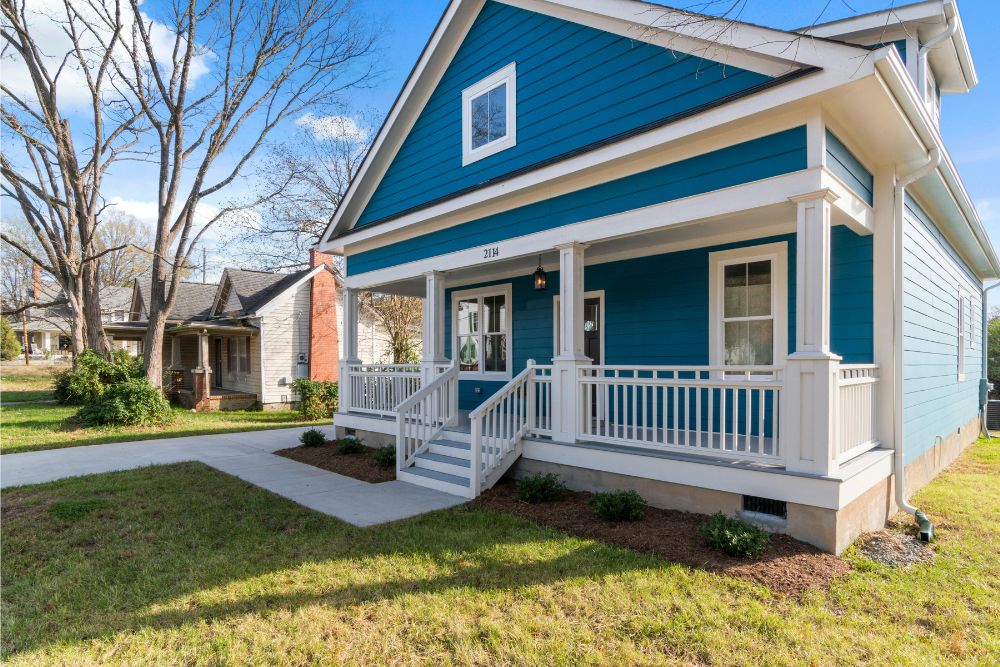
Risk increases when no one is present to intervene.
In winter, exposure intensifies.
Freeze and Heating Failures
Without oversight, heating interruptions can lead to frozen pipes and extensive water damage.
Undetected Water Leaks
If you don’t fix small plumbing problems, they can turn into structural losses.
Wind and Coastal Weather
Nor’easters put a lot of stress on roofs, siding, and windows, especially along the Seacoast.
Delayed Emergency Response
Losses from fire, theft, or intrusion can grow a lot without anyone noticing right away.
Service Line Failures
Older homes in New England may not notice breaks in their underground water or sewer lines. Reviewing whether coverage for water and sewer line failures is included can help prevent unexpected out-of-pocket repair costs.
During times of absence, responsible stewardship often means keeping the heat on, checking systems, and doing regular inspections. Insurers carefully look over these conditions once vacancy thresholds are reached.
For a lot of homeowners, learning about these risks is part of taking care of their property over time, not just after a loss.
When a Separate Vacant Home Policy May Be Needed
If vacancy extends beyond standard policy limits, additional protection may be required.
General patterns often look like this:
- Under 30 days: Coverage often unchanged
- 30 to 60 days: Restrictions likely
- Over 60 days: Endorsement or separate vacant dwelling policy may be necessary
Higher value homes, coastal properties, and custom residences may warrant closer review. Owners of high-value homes in Rye and New Castle often face elevated rebuilding costs and longer timelines that make vacancy planning especially important.
Rental properties may also require separate consideration when tenant turnover extends beyond normal timeframes.
If you anticipate vacancy, reviewing coverage before that window opens preserves clarity and options.
What Happens If You Do Not Notify Your Insurance Company
If yoFailure to notify does not automatically void coverage. However, it can complicate claim handling.
Possible outcomes include:
- Claim denial tied to vacancy status
- Non renewal at policy term
- Additional documentation requirements
For instance, a Stratford homeowner renovates for two months without notifying the insurer. A theft occurs during that period. Vacancy status becomes central to how the claim is evaluated.
Notification aligns how the property is being used with how it is insured.
Many homeowners find that periodic policy reviews reduce uncertainty and support better long term decisions.
Frequently Asked Questions
How long can a house be vacant before insurance cancels?
Most policies do not cancel immediately. Coverage commonly restricts after 30 to 60 days. Beyond that, endorsements or vacant dwelling policies may be required.
Does flood insurance change if the home is vacant?
Flood insurance is typically separate and may not follow identical vacancy rules. Reviewing your flood insurance in New Hampshire alongside your homeowners policy can clarify how both respond during extended absences.
Does umbrella coverage apply?
Umbrella coverage depends on the underlying policy. If the primary policy restricts coverage due to vacancy, the umbrella may not respond independently.
Can I keep my existing policy during renovations?
Possibly for short projects. Major renovations that require vacancy may require an endorsement or builder’s risk coverage.
Does homeowners insurance cover a vacant property automatically?
No. Most policies restrict coverage after 30 to 60 days of vacancy. Notification or an endorsement may be required to maintain full protection.
Myth vs Fact: Furniture inside means the home is not vacant.
Myth. Furniture alone does not determine occupancy. Insurers assess overall activity and intent to return.
Will a frozen pipe claim be denied if my home was empty?
Possibly. After vacancy thresholds, freeze claims often require proof that heat was maintained. Without documentation, coverage may be limited.
Do I need separate insurance for a vacant rental property?
Often yes. Rental properties exceeding normal turnover periods typically require vacant dwelling or landlord-specific coverage.
Myth vs Fact: My insurer will warn me before restrictions apply.
Myth. Vacancy clauses activate based on policy terms. Advance reminders are not always provided.
Is vacant home insurance required in New Hampshire?
It is not legally required. However, standard homeowners policies may restrict coverage once vacancy thresholds are met.
If your home may sit empty for renovations, a seasonal absence, or tenant turnover, a measured review of your policy language can bring clarity before risk increases. If you would like to discuss how your current coverage addresses vacancy, our team at Portsmouth Atlantic Insurance is available for a thoughtful, personalized review