
Vacant home insurance exclusions can significantly reduce coverage after a home sits empty. Most homeowners insurance policies are written with the expectation that someone lives in the property. When that changes, coverage conditions may change as well.
If a pipe bursts on day 45 and your insurer was not notified, a claim may be denied. Paying the premium alone does not make the vacancy clause void.
Important points to remember:
- Standard policies assume occupancy
- There is a difference between vacant and unoccupied.
- Changes to coverage usually start after 30 to 60 days.
- Water damage and vandalism are often not allowed
- Not telling your insurance company can hurt your claim
In New Hampshire, inter freezes, second homes, and seasonal travel make it more likely that homes will be empty. If you own a second property, reviewing your secondary home insurance coverage is especially important.
We will explain what vacancy means, what common exclusions are, how denials happen, when endorsements are needed, and how regional risks affect coverage decisions.
Why Vacancy Changes The Coverage Of Your Insurance?

Homeowners insurance is built around occupancy. Daily presence reduces uncertainty and limits loss severity.
When no one is living in the home:
• Small issues can escalate quickly
• Heating failures may go unnoticed
• Water leaks can cause structural damage
• Vandalism risk increases
• Maintenance concerns are harder to identify
In a New Hampshire winter, if a heating system fails during a cold snap, pipes can freeze within days. Many policies restrict water damage once vacancy thresholds are exceeded.
From an underwriting standpoint, occupancy reduces uncertainty. When that condition changes, insurers adjust how coverage applies.
At Portsmouth Atlantic Insurance, we encourage homeowners to review policy language before a property becomes vacant. Vacancy affects coverage structure, not just pricing.
Vacant vs. Unoccupied: An Important Difference
Insurance policies are very clear about what these terms mean, and the difference is important.
Unoccupied usually means the home is furnished but temporarily empty.
Vacant typically means both people and personal belongings are absent.
Most carriers apply a 30 to 60 day threshold. After that period, vacant home insurance exclusions may take effect automatically.
Checking the mail or stopping by every now and then does not change the occupancy status. Insurance companies check to see if people are living in the home, not just visiting it.
If you’re not sure what your policy says about these terms, reading the wording first can help you avoid making mistakes.
What Standard Policies Usually Don’t Cover When A Home Is Empty?
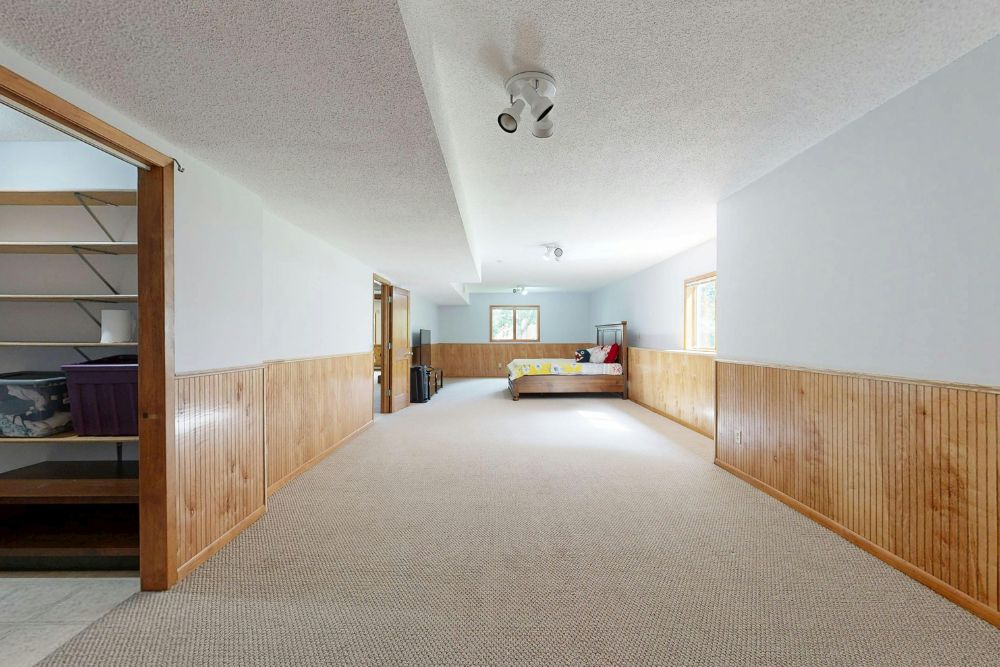
When a property is empty, some protections often get weaker because of the vacant property clause.
Some common restrictions are:
Stealing and vandalizing
People may think that homes without furniture are more dangerous. Many policies limit or exclude these perils after 30 to 60 days.
Water Damage and Frozen Pipes
Policies may require maintained heat or system drainage. If these requirements are not met, coverage may not apply.
Liability Exposure
Injuries occurring on vacant premises may be evaluated differently, particularly if maintenance or security measures were not maintained.
Maintenance-Related Claims
If the property was not properly secured or monitored, claims may be questioned. Losses involving buried pipes or exterior utilities may also depend on whether service line coverage is in place.
Many homeowners only discover these limits during the claims process. A proactive review can clarify how your policy would respond before the home sits empty.
How Claims Are Usually Turned Down
Claims for vacancy are often denied because of timing or not being told.
If a pipe bursts on day 45 and the policy says that water damage is not covered after 30 days of vacancy, coverage may not apply if the carrier was not told.
If a home remains vacant for several months without disclosure, insurers may reference policy conditions related to material changes in risk.
Occasional visits rarely alter how vacancy is evaluated. Insurers focus on overall living conditions and occupancy status.
Understanding how vacant home insurance exclusions operate in real scenarios helps avoid preventable surprises.
When a Vacant Home Endorsement or Specialty Policy May Be Needed?

A vacant home endorsement modifies policy terms during temporary vacancy. It adjusts coverage conditions to account for the change in risk.
If a home will exceed the vacancy threshold, an endorsement may be required. Longer-term situations, such as extended renovations or estate properties, may require a specialty policy.
This is particularly true for larger or custom homes insured under high net worth homeowners insurance.
Situations that need to be looked at often:
- Renovations that last six months
- Houses for sale that aren’t lived in
- Properties in an estate waiting to be settled
- Seasonal departures in the winter
We look at whether an endorsement is enough or if a different policy structure would be better at Portsmouth Atlantic Insurance.
Regional Risks in New Hampshire
Vacancy risk in New Hampshire is shaped by climate and geography.
Winter Freeze Exposure
Frozen pipes are one of the leading causes of loss in vacant properties. A heating failure in a lakeside or rural home can cause significant damage in a short time.
Coastal Storm Risk
Homes along the Seacoast may face wind-driven rain and storm exposure, especially if unattended.
Longer timelines for rebuilding
Following storms in the area, repairs can take longer because there aren’t enough workers or materials.
You need to make sure that your seasonal and second homes are ready for winter and keep an eye on them.
Portsmouth Atlantic Insurance works with homeowners all over New Hampshire to make sure their coverage fits with the way things are in that area.
8 Things to Do Before Leaving a House Empty
Before leaving a home empty, make sure to get written confirmation of any changes to coverage.
Check this list:
- Tell your insurance company before the vacancy starts
- Keep the heat inside at the right level
- If necessary, turn off and drain the water systems.
- Check the language of the vacancy clause
- Make sure that the alarm or monitoring systems are working.
A lot of policies say that you need to keep your water damage coverage if the temperature goes above 55°F.
People often forget about vacant home insurance exclusions until they need to make a claim. A few simple steps can make a big difference.
If you are planning to leave a home empty, requesting a policy review can help confirm how your current coverage applies before vacancy begins.
Frequently Asked Questions
Does homeowners insurance cover vacant homes?
Yes, but coverage often becomes limited after a set period, typically 30 to 60 days. Always review your vacancy clause.
How long can a home be vacant before insurance is void?
Most carriers use a 30 to 60 day threshold. After that, certain perils may be excluded or limited.
Are frozen pipes covered in a vacant home?
Not always. Many policies require heat maintenance or plumbing drainage once vacancy thresholds are reached.
What is the difference between vacant and unoccupied?
Vacant generally means empty of both people and furnishings. Unoccupied means furnished but temporarily empty.
If I still own the home, is it fully insured?
Ownership alone does not guarantee full coverage. Occupancy status controls how the vacancy clause applies.
Does visiting the property occasionally preserve coverage?
Brief visits typically do not reset vacancy timelines.
Do I need a vacant home endorsement?
If your home will exceed your policy’s vacancy threshold, an endorsement may be required.
Does flood insurance change if the home is vacant?
Flood coverage is separate, but vacancy can still affect claim investigations. Reviewing your flood insurance coverage alongside your homeowners policy helps ensure there are no gaps.