Do I Need Home Insurance? Understanding the Essentials of Protecting Your Home
Article updated: 04/2026
For many, a home is more than simply a place to live, it’s a place to call home and it often has significant financial investment attached to it, along with sentimental memories one can look back on.
Given this level of importance, one question often arises for both new and existing homeowners: “Do I need home insurance?”.
In this post, we’ll go over all the benefits of having homeowners insurance, why it’s truly essential to protect your home and overall investment, and how it can protect you from financial ruin.
Read on to learn more and should you need any assistance with your homeowners insurance policy coverage, contact us, and we’ll be more than happy to assist.
The Importance of Home Insurance

Home insurance, better known as homeowners insurance, is not simply a prudent financial decision, it’s very often a requirement. Below is why securing a well thought out homeowners insurance policy is the right idea:
- Legal Requirements: While homeowners insurance itself is not legally mandated if you own your home outright, if you have a mortgage, your lender will typically require you to maintain a certain level of coverage as a condition of the loan. It’s also helpful to understand the difference between homeowners insurance and mortgage insurance, since they serve very different purposes. This protects their investment in your property should an incident occur, especially for buyers still learning the basics of home insurance for first-time buyers.
- Financial Protection: Homeowners insurance can help pay to repair or rebuild your home after covered events such as fire, windstorms, and other covered perils. Understanding what homeowners insurance covers after a fire can help you avoid surprises if you ever need to file a claim. Without the right level of protection from your homeowners insurance, you’ll be responsible for the out-of-pocket costs associated with the events which caused damage to your home.
- Liability Coverage: If you happen to be involved in a lawsuit due to an injury occurring on your property, or a portion of your home causes damage to a neighbor’s home (i.e.: your tree falling on your neighbor’s roof resulting in damage), you’ll be protected from said lawsuit and medical bills arising from the incident.
What Is Covered by Home Insurance?
A typical home insurance policy will include:
- Home coverage: Home coverage helps pay to repair or rebuild your home if it’s damaged by an insurable event like a hurricane, hail or fire
- Personal Property Coverage: Personal property coverage protects the contents of your home (furniture, appliances, clothing, etc…) against theft or damage.
- Liability Insurance: Liability insurance pays for legal expenses and damages if you or members of your family are found responsible for injury or damage to others.
- Additional Living Expenses (ALE): ALE covers extra living costs, such as hotel bills and food, if your home is seriously damaged and needs repairs
Tailoring Your Coverage
Every home and homeowner is unique, therefore insurance needs will vary from individual to individual:
- Assess Your Needs: You’ll want to take into consideration the specific risk associated with your property’s location, such as flooding, which may require separate flood insurance coverage beyond a standard homeowners policy
- Update Regularly: Taking the time to regularly review and adjust your policy to reflect any significant updates or changes to your home, such as renovations or purchasing expensive items which will remain in your home, will help to maintain a proper level of coverage should an incident occur.
Common Misconceptions of Homeowners Insurance
- “My home is too old for insurance”: Older homes can certainly be insured, you’ll just have to go through some extra steps to ensure certain requirements are met or possibly choose specialized insurance products.
- “I don’t need insurance if my house is paid off”: Even if you don’t have an obligation to protect your home with homeowners insurance due to mortgage lender requirements, it could be financially devastating to have your home destroyed due to storms, flooding, fires, etc… Even homeowners without mortgage requirements often reconsider the risks of going without homeowners insurance after understanding the potential financial exposure tied to major property losses.
- “Basic coverage is enough”: Basic policies will typically not cover all possible risks (e.g.: floods or earthquakes will often require additional levels of coverage). Assessing your unique situation carefully and having the right level of coverage through your homeowners insurance policy will help protect you when you need it most.
Contact Us at Portsmouth Atlantic Insurance
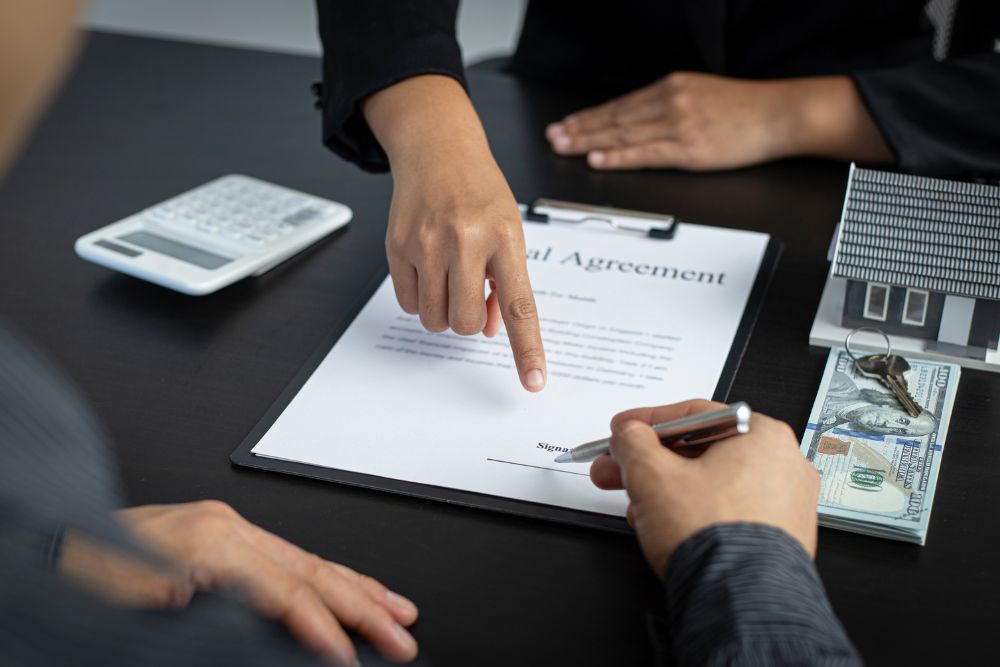
While homeowners insurance is not legally required once you’ve paid off your home and own it outright, homeowners insurance protects your financial stability, personal property, and reduces or eliminates legal liability.
Homeowners insurance acts as a shield, protecting you from the unpredictable. With the right homeowners insurance policy, you can ensure that your home is and those who reside within your home are secure, no matter what life may throw your way.
If you’re unsure whether your current policy provides the right protection, request a personalized insurance review. We’ll help you compare your options and understand how your coverage aligns with your home and your needs. We look forward to hearing from you soon and we’re eager to learn more about your property and unique situation to best develop the right homeowners insurance policy to meet your needs.
FAQs
Do I need home insurance if my house is fully paid off?
Yes. Even without a mortgage, home insurance protects you from major financial loss after fires, storms, theft, or liability claims. Many homeowners underestimate how expensive rebuilding or repairing a home can become after a serious event. Coverage also helps protect personal belongings and legal liability exposure.
What does homeowners insurance usually cover?
Most homeowners insurance policies cover the home itself, personal belongings, liability claims, and temporary living expenses after covered damage. Coverage commonly applies to events like fire, windstorms, theft, and certain water damage incidents. However, flood and earthquake protection often require separate policies or endorsements.
Does homeowners insurance cover flood damage?
No, standard homeowners insurance usually does not cover flood damage. Flood coverage is typically purchased separately through a flood insurance policy. This is especially important for homeowners in coastal or flood-prone areas where heavy rain, storm surge, or snowmelt can create unexpected water damage risks.
How much homeowners insurance coverage do I actually need?
You need enough coverage to fully rebuild your home at current construction costs, not simply match its market value. Rebuilding expenses can increase due to labor shortages, material costs, or local building requirements. Many homeowners benefit from reviewing coverage regularly as home values and renovation costs change over time.
Will homeowners insurance pay for hotel costs if my home becomes unlivable?
Yes, many policies include Additional Living Expenses (ALE) coverage. This coverage helps pay for temporary housing, meals, and related costs if a covered event makes your home unsafe to live in during repairs. Coverage limits vary, especially for larger or high-value homes with longer rebuilding timelines.
Does homeowners insurance cover expensive jewelry, art, or collectibles?
Not always fully. Standard homeowners policies often place limits on valuable items like jewelry, fine art, antiques, or collections. Homeowners with higher-value belongings may need scheduled personal property coverage or additional endorsements to properly protect those assets after theft or damage.
Myth vs. Fact: “If my home isn’t near the coast, I don’t need flood insurance.”
Fact: Flooding can happen well outside designated coastal flood zones. Heavy rainfall, snowmelt, drainage backups, and severe storms can all create flood risks inland. Many homeowners only discover this gap after a loss, which is why flood exposure should be reviewed carefully regardless of location.
Myth vs. Fact: “Older homes are too difficult to insure.”
Fact: Older homes can absolutely be insured, although they may require more detailed underwriting or specialized coverage. Insurance companies often look closely at roofing, plumbing, wiring, and heating systems. Proper updates and accurate replacement cost estimates usually play a major role in securing appropriate coverage.
How often should I review my homeowners insurance policy?
Most homeowners should review their policy every one to two years or after major changes to the home. Renovations, additions, rising construction costs, or purchasing valuable items can all affect how much coverage you need. Regular reviews help ensure your protection still reflects your property accurately.
Why do high-value homes often need different insurance coverage?
High-value homes usually involve higher rebuilding costs, custom materials, and more complex claims situations. Standard homeowners policies may not fully account for luxury finishes, extended rebuild timelines, or regional risks like coastal exposure. Coverage designed for high-value properties is typically structured with broader protection and more detailed replacement cost evaluations.